
Understanding Gravel Bikes: What Makes Them Unique
1. What Is a Gravel Bike? Core Definition and History
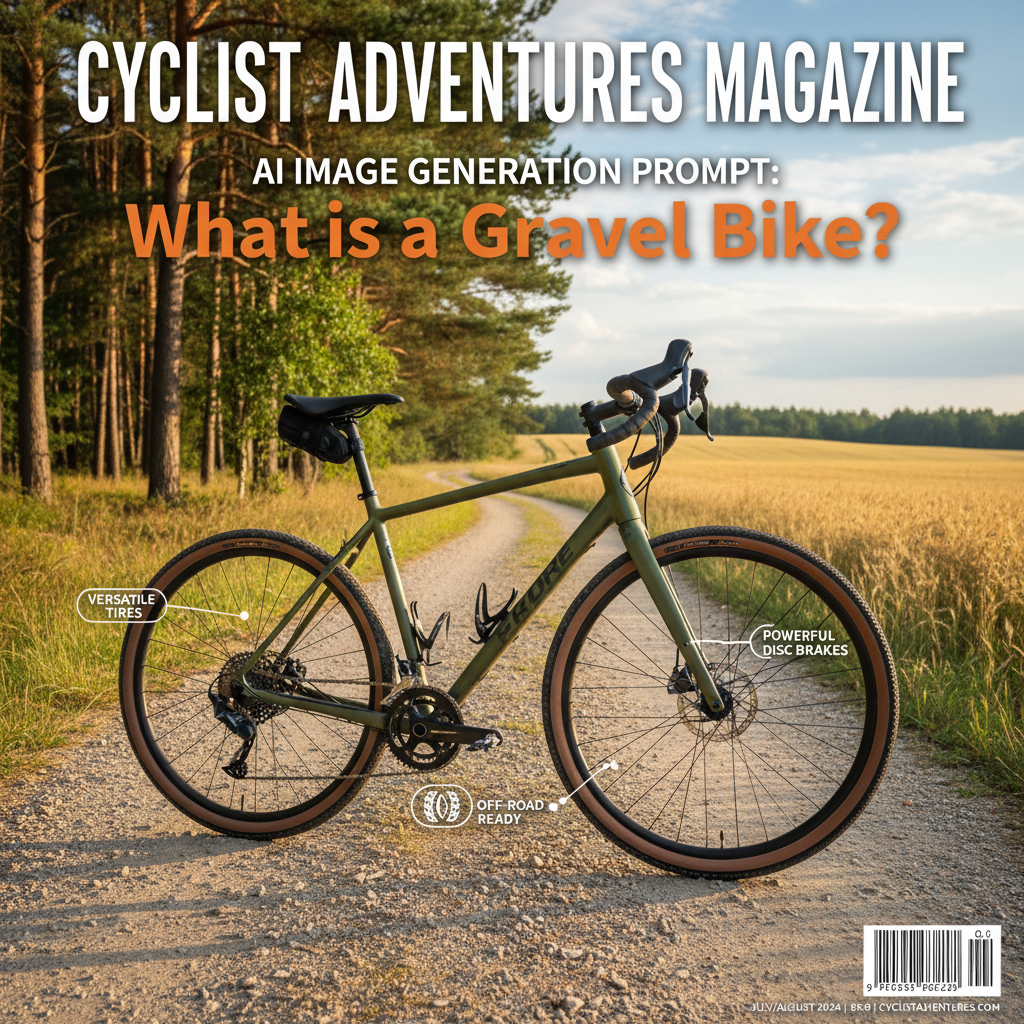
A gravel bike is a bicycle designed to handle different surfaces, including paved roads, gravel paths, dirt trails, and even some rocky terrain. These bikes first became popular in the early 2010s when riders wanted a bike that was fun on both smooth roads and rougher tracks. By 2026, gravel bikes have evolved to offer more comfort, stability, and versatility for outdoor adventures and everyday rides.
2. Gravel Bike vs. Road Bike vs. Mountain Bike: Key Differences
- Gravel bike: Wider tires, relaxed riding position, supports racks and bags, built for all surfaces.
- Road bike: Skinny tires, light frame, built for speed on smooth pavement.
- Mountain bike: Wider tires with deep tread, flat handlebars, heavy-duty frame for tough trails.
Gravel bikes blend features from both road and mountain bikes, making them perfect for riders who want a single bike for many types of terrain.
Essential Features of Gravel Bikes Explained
3. Frame Geometry and Materials in 2026
Gravel bike frames are built for comfort and control. The frame geometry usually has a longer wheelbase and a slacker head angle than road bikes, helping you stay stable on gravel. In 2026, most frames are made from lightweight aluminum, carbon fiber, or steel—each has different strengths in weight, comfort, and cost.
4. Tire Size, Width, and Terrain Adaptability
Gravel bikes use tires that are wider than those on road bikes but usually narrower than mountain bike tires. Most gravel tires range from 35 mm to 50 mm wide. Wider tires give more grip and comfort on rough surfaces. Modern tread patterns help you ride confidently on both loose and hard-packed ground.
5. Gearing and Drivetrain Setups for Versatile Riding
Unlike traditional bikes, gravel bikes come with gearing designed for uphills and mixed terrain. Most use either a single chainring with a wide-range rear cassette (1x setup) or two chainrings (2x setup) for more options. This makes it easier to pedal on steep climbs and flat sections alike.
6. Mounts, Racks, and Accessories: Ready for Adventure
One big advantage of gravel bikes: they nearly always have extra mounts for bottle cages, racks, bags, and fenders. This makes them ideal for bikepacking trips, commuting, or day rides where you need to carry tools, snacks, or clothes.
How to Choose the Right Gravel Bike for You in 2026
7. Assessing Your Riding Style and Terrain Needs
- Ask yourself: Where will you ride most? Smooth roads, muddy trails, rocky paths?
- If you mostly stick to roads with occasional gravel, choose a lighter, race-inspired gravel bike.
- If you love adventure and bikepacking, consider a bike with more mounts and space for wider tires.
8. Sizing and Fit Guide: Avoiding Common Mistakes
- Measure your height and inseam before shopping.
- Use a size chart from the manufacturer as a starting point.
- Test ride if possible. Ensure you can stand over the top tube and reach the handlebars comfortably.
- If in doubt, choose the smaller size for better control.
9. Women’s-Specific and Electric Gravel Bike Options
In 2026, many brands offer gravel bikes designed for women, with altered frame geometry, shorter handlebars, and women’s saddles for better comfort. Electric gravel bikes (e-gravel bikes) are also popular—these have a small motor to help you pedal up steep hills or ride longer distances without getting tired.
How to Set Up and Maintain Your Gravel Bike
10. Step-by-Step Setup: From Unboxing to First Ride
- Remove the bike and parts from the box.
- Install the handlebars by tightening the bolts as shown in the instructions.
- Attach the front wheel to the fork using the quick release or thru-axle.
- Install the pedals. (Left pedal screws in counterclockwise!)
- Set the saddle height so your leg is slightly bent at the bottom of the pedal stroke.
- Check tire pressure; inflate as recommended on the tire sidewall.
- Tighten all bolts one more time.
- Test brakes and gears before rolling out.
11. Tubeless Tire Installation and Maintenance
- Remove the wheel and tire from your bike.
- Install a tubeless-ready rim strip and valve if not already present.
- Put one side of the tire onto the rim.
- Pour in the tubeless sealant (usually 60-90 ml per tire).
- Push the other side of the tire onto the rim.
- Inflate the tire quickly to seat the beads on the rim—use a floor pump or air compressor.
- Spin and shake the wheel to spread the sealant.
- Check and top up sealant every 3 months.
12. Brake and Drivetrain Checks for Beginners
- Spin each wheel and squeeze the brake lever. The bike should stop smoothly.
- If brakes feel soft, check for fluid leaks or cable tension.
- Shift through all the gears. If the chain skips or makes noise, adjust the derailleur using the barrel adjuster.
- Lubricate the chain every 2-3 rides, especially after wet conditions.
13. Must-Have Safety Gear and Accessories
- Helmet: Always wear one! Choose a snug-fitting, certified model.
- Gloves: For comfort and protection in case of falls.
- Lights: Bright front and rear lights for visibility, day and night.
- Repair Kit: Spare tube or patch kit, tire levers, mini-pump, and multi-tool.
- Hydration: Water bottle cage and bottle, or hydration pack.
Mastering Your First Gravel Ride: Tips & Tricks
14. Adapting to Mixed Surfaces and Handling Techniques
- Relax your grip and keep your elbows slightly bent for better shock absorption.
- Look ahead, not directly down, to see changes in the terrain early.
- When riding on loose gravel, stay seated and pedal smoothly to maintain traction.
- Use your body to help steer. Shift your weight back slightly on steep descents for control.
15. Essential Skills for Safe Gravel Riding
- Practice braking gently with both brakes, especially on loose ground.
- Learn to shift gears early before reaching steep climbs or obstacles.
- Keep a steady pace, especially on longer rides, to avoid getting tired too quickly.
- Always let someone know your route if you’re riding alone.
2026 Gravel Bike Trends and Innovations
16. Latest Tech: Suspension, Frame Updates, and Integration
In 2026, gravel bikes may feature lightweight suspension forks and frame micro-suspensions for extra comfort on rough roads. Internal cable routing and electronic shifting are now common, making bikes cleaner and easier to maintain.
17. Notable New Models and “Monster” Tire Advancements
- Some 2026 gravel bikes fit tires up to 2 inches wide (“monster gravel” size), offering even more comfort and grip.
- New frame designs focus on packing more gear, integrating storage compartments into the frame tubes.
FAQ: What Is a Gravel Bike and How to Get Started?
| Question | Answer |
|---|---|
| What is a gravel bike good for? | Gravel bikes are perfect for riding on roads, dirt, gravel trails, and some light off-road sections. They’re great for adventure and commuting. |
| Is a gravel bike good for beginners? | Yes! Gravel bikes are stable, comfortable, and easy to handle, making them excellent for new riders. |
| Can I use a gravel bike for road cycling? | Absolutely. Just fit smoother tires for even faster rides on pavement. |
| How much does a good gravel bike cost in 2026? | Beginner models start at around $1000, with advanced bikes costing more depending on features and materials. |
| How do I keep my gravel bike in good condition? | Regularly clean and lubricate the chain, check tire pressure, and make sure brakes work well. |
Summary: Key Points and Your Next Steps
- Gravel bikes offer flexibility and adventure for all skill levels by mixing features from road and mountain bikes.
- Choosing the right gravel bike means knowing your riding style, getting a correct fit, and thinking about upgrades like electric models or women’s-specific designs.
- Setting up and maintaining your bike is easy if you follow basic steps for tire setup, brakes, and regular checks.
- Practicing safe riding skills and understanding new tech trends will help you get the most from your gravel biking experience.
- Start with short rides, explore new paths, and have fun discovering the world of gravel cycling.