
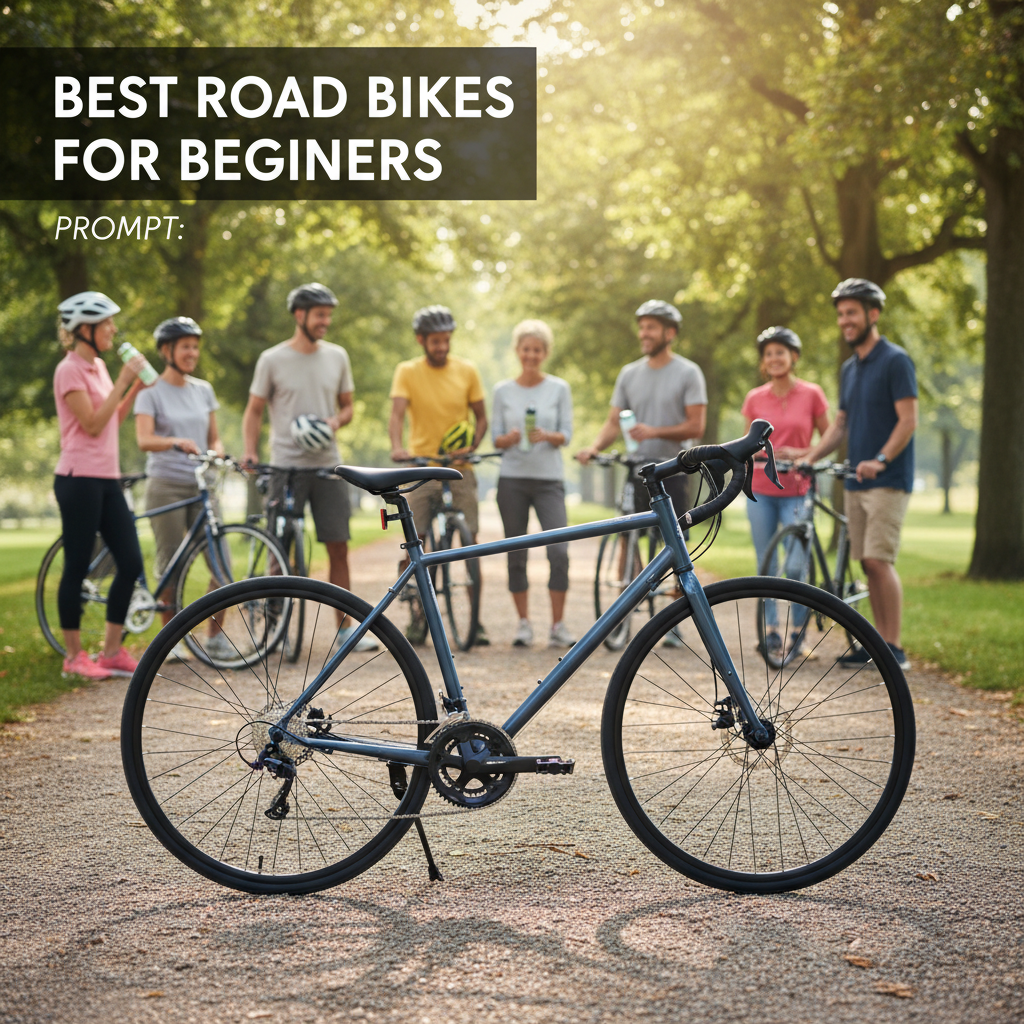
Quick Picks – Top 3 Entry Level Road Bikes in 2026
Best Overall: Giant Contend SL 1
The Giant Contend SL 1 stands out as the best all-around entry-level road bike in 2026. It combines an aluminum frame mimicking race bike geometry, a carbon fork, Shimano Sora or CUES groupset (9–10 speed), mechanical disc brakes, and tubeless-ready wheels. Real-world group tests praise its value, ride quality, and upgrade potential for under $1,400. The handling is rewarding, and it’s suitable for both recreational rides and fitness goals.
Best Value: Decathlon Triban RC 520
This model is widely recognized for providing unmatched value at under $1,400. It features an aluminum frame, Shimano 105 R7000 or Sora groupset, TRP disc brakes, and comfortable 30mm tires. Reviewers highlight its smooth ride, robust components—including a pro-level saddle and ready-for-upgrades wheelset. The Triban RC 520 is ideal for commuting, endurance rides, and weekend sportives.
Best for Comfort: Specialized Allez
The Specialized Allez (Sport version) offers a lightweight aluminum frame, carbon fork, and modern Shimano components. It is consistently described as a step above other entry bikes for comfort—thanks to its geometry and wider 30mm+ tires. Its ride quality is praised for being forgiving yet lively, making it a top pick for those prioritizing comfort in long-distance rides or urban commutes.
What to Consider When Buying the Best Road Bike for Entry Level
Budget and Price Ranges for Entry Level Road Bikes
For 2026, entry-level road bikes typically cost under £1,000/$1,200, with good budget models starting as low as £400. Between £1,000–£2,500 ($1,400–$3,350), buyers gain access to lighter components, 11-speed drivetrains, and superior hydraulic disc brakes. Entry-level bikes at these price points are reliable, with quality geometry and upgradeable groupsets. The £1,000/$1,200 threshold is where high-quality, dependable machines become available to new riders.
Essential Components (Frames, Groupsets, Brakes, Wheels)
- Frames: Most entry-level bikes feature aluminum frames with modern construction for lightweight durability. Models like the Giant (ALUXX-Grade), Cannondale (SmartForm), and Decathlon employ advanced shaping and dropped seatstays for comfort. Carbon forks are common, providing vibration damping and lighter front ends.
- Groupsets: Shimano’s Claris, CUES, or 105 groupsets dominate. Expect reliable 8–12-speed shifting and wide-range gearing (e.g., 46/32 chainrings, 11–39T cassettes). Mechanical shifting is standard, with electronic shifting reserved for mid/high-tier bikes.
- Brakes: Mechanical and entry-level hydraulic disc brakes are now standard—delivering superior stopping in all weather, unlike rim brakes. Popular systems include Shimano and TRP models.
- Wheels & Tires: Tubeless-ready alloy wheels are paired with 28–32mm tires (expandable to 36mm). This setup improves ride comfort and puncture resistance on rougher surfaces and mixed terrain.
Fit and Sizing Guide for Beginners
- Frame Size: Start by matching your height and inseam to manufacturer charts (e.g., 54cm for 5’6″–5’9″). Compare stack and reach for personalized fit. If between sizes, test ride or choose the frame offering better adjustability (smaller for reach; larger for leg extension).
- Saddle Setup: Set the saddle so your leg is just short of fully straight when the pedal is at its lowest point. For comfort, the saddle should be level and the knee over the pedal spindle when the crank is horizontal.
- Handlebar Fit: Handlebars should match your shoulder width. Beginners should opt for a relaxed position—bars level or slightly below the saddle, not aggressive racer drop. Gradually adjust as you gain experience.
- Test Rides and Adjustments: Take advantage of shop fitting tools or professional bike fits if possible, particularly for those with unusual proportions or persistent discomfort.
Women’s, Youth, and Inclusive Road Bike Options
- Women’s Models: Top picks include the Liv Avail AR 3 (women-specific geometry and contact points), Scott Contessa Addict 25, and Canyon women’s series road bikes. These use frames/parts designed for comfort, often with shorter reach and narrower bars.
- Youth Options: No dedicated youth road bikes are prominent in 2026; smaller frame sizes (XS, 48–52cm) from unisex entry models like the Triban RC 500, Giant Contend, and Specialized Allez are recommended. Adjustable components accommodate growing teens.
- Inclusive/Unisex Bikes: Models such as the Triban RC 520, Giant Contend AR 3, and Cannondale Synapse AL 2 offer wide size ranges, making them accessible for most riders.
New Features for 2026 Models
- More tubeless-ready wheelsets and 32–36mm tire clearance for extra comfort and light gravel capability.
- Lightweight, compliance-focused aluminum frames and carbon forks with integrated mounts for racks/fenders.
- Shimano CUES groupset advancements for smoother, wide-range shifting at lower costs.
- Upgraded hydraulic disc brake designs even at entry levels, with flat-mount calipers for precision and easy maintenance.
- Enhanced fit geometries: greater size selections and relaxed position options for lasting comfort.
Side-by-Side Comparison Table: Entry Level Road Bikes (2026 Edition)
Specs, Weight, Price, and Key Features
| Model | Frame/Fork | Groupset | Brakes | Wheels/Tires | Weight (claimed) | Price (USD/GBP) | Key Features |
|---|---|---|---|---|---|---|---|
| Giant Contend SL 1 | Aluminum/Carbon fork | Shimano Sora, 2×9 | Mechanical disc | Tubeless-ready 30–32mm | ~9–10 kg | ~$1,400/£1,000 | Race-inspired geometry; upgrade potential |
| Decathlon Triban RC 520 | Aluminum/Carbon fork | Shimano 105, 2×11 | TRP disc | Alex tubeless 30mm | ~10.5 kg | ~$1,200/£999 | Commuter-ready mounts; pro-level saddle |
| Specialized Allez Sport | Aluminum/Carbon fork | Shimano Sora, 2×9 | Mechanical disc | Clarion 30mm+ | ~9 kg (estimate) | ~$1,800/£1,399 | Comfort-focused; lively handling |
| Cannondale Synapse AL 2 | Aluminum/Carbon fork | Shimano CUES, 2×10 | Hydraulic disc | 28–32mm tires | ~10.3 kg | ~$1,800/£1,400 | Endurance frame; wide size range |
| Liv Avail AR 3 (Women) | Aluminum/Carbon fork | Shimano CUES, 2×9 | Mechanical disc | 32mm tires | ~10 kg | ~$1,050/£950 | Women’s geometry; comfort touch-points |
In-Depth Reviews of the Best Road Bikes for Entry Level
Giant Contend SL 1 – Overview, Pros, and Cons
Overview: Praised for race-bike feel and upgrade potential. The aluminum frame and carbon fork offer surprising compliance. Shimano Sora groupset is robust, while mechanical disc brakes handle wet weather riding.
- Pros: Balanced handling, future-proof specs, excellent reviews for comfort
- Cons: Slightly firm ride on very rough roads, heavier than pure racing bikes
Decathlon Triban RC 520 – Overview, Pros, and Cons
Overview: Sets a benchmark for value. Aluminum frame, 105 drivetrain, disc brakes, and puncture-resistant tires. Adaptable (rack/fender mounts) and comfortable for commutes.
- Pros: Unmatched value, great for beginners, easy upgrades
- Cons: A bit heavier than pricier carbon bikes; performance reflects price
Specialized Allez Sport – Overview, Pros, and Cons
Overview: Lightweight, sporty handling, and high comfort for the category. Popular for club rides and fitness.
- Pros: Very comfortable, responsive ride, excellent for city/long rides
- Cons: Fewer mounts for racks, spec not as updated as some rivals
Cannondale Synapse AL 2 – Overview, Pros, and Cons
Overview: Known for endurance-focused geometry and hydraulic brakes. Broad range of sizes and upgrade-friendly chassis.
- Pros: Hydraulic discs, comfortable fit, strong frame warranty
- Cons: Slightly higher price, basic spec for the money
Liv Avail AR 3 – Overview, Pros, and Cons
Overview: Female-specific sizing, contact points, and geometry—ideal for women newcomers seeking comfort, stability, and easy reach.
- Pros: Women-specific fit, lightweight feel, comfort features
- Cons: Less suitable for heavy gravel; limited color options
First-Time Road Bike Owner’s FAQ
How to Choose the Right Size and Fit
Start by matching your height and inseam to the bike’s size chart. Frame sizes use cm (e.g., 54cm). Adjust saddle height for a slight knee bend at the bottom of the pedal stroke, and ensure handlebar width matches your shoulders. Always test ride or get a professional fit if possible.
Maintenance, Warranty, and Upgrade Potential
Entry-level bikes use durable groupsets that are easy to service. Regular chain, brake pad, and tire checks keep costs low. Most brands offer warranties of 2–5 years on frames, and bikes with modern wheel/frame standards (thru-axle, tubeless) can be upgraded for performance improvements later.
Entry Level vs. Intermediate: When to Upgrade
Upgrade when you consistently ride longer, face component wear, or desire better performance. Intermediate bikes typically offer lighter frames, higher-end groupsets, and advanced wheelsets, leading to measurable performance gains.
Where to Buy & What to Avoid (Online vs. Local Shops)
- Online: Greater selection, competitive pricing, but sizing and fit can be difficult to confirm before buying.
- Local shops: Offer test rides, bike fitting, and after-sale service—often crucial for beginners.
- What to avoid: No-name or “supermarket” bikes with poor quality parts; always request a full spec sheet and ride test if possible.
Long-Term Value: Ownership Costs and Resale Considerations
Reliable entry-level bikes such as the Triban RC 520 and Giant Contend offer solid value, with low maintenance costs and proven upgrade potential according to owner reviews. While systematic data on resale is limited, bikes from major brands with modern standards and documented service histories fetch higher resale value. Upgrades (wheels, group, cockpit) can further reduce long-term costs as you progress, and bikes holding onto name-brand frames and standard components depreciate less over time.
Interactive Tools and Resources for Entry Level Road Bike Buyers
Personalized Bike Filter: Budget, Fit, and Terrain Preferences
Use official brand websites (Giant, Specialized, Trek) to input your height/inseam for recommended sizes. Many sites allow filtering by price, terrain preference, and gender-specific fit for more tailored suggestions.
Video Guides: Test Rides & 2026 Model Demonstrations
- Top Road Bikes for 2026 (YouTube)
- Value Road Bikes Overview 2026 (YouTube)
- Check cycling brand channels for test ride tips and new model walkthroughs.
Final Tips for Entry Level Road Bike Shoppers in 2026
- Prioritize fit and comfort over saving an extra $100—long-term enjoyment depends on proper sizing and setup.
- Opt for models with upgrade-friendly features: tubeless wheels, rack/fender mounts, and reliable disc brakes.
- Check multiple sources for current pricing and seasonal deals—major sales occur late summer and Black Friday.
- Don’t hesitate to ask for a test ride or fitting at your local bike shop—it’s often free and invaluable for beginners.
- Consider long-term value by choosing established brands known for reliability, warranty support, and resale stability.
Ready to get started? Shop the Giant Contend SL 1 | Decathlon Triban RC 520 | Specialized Allez
For further guidance, head to reputable dealers and use interactive fit tools online for a worry-free first road bike purchase!