
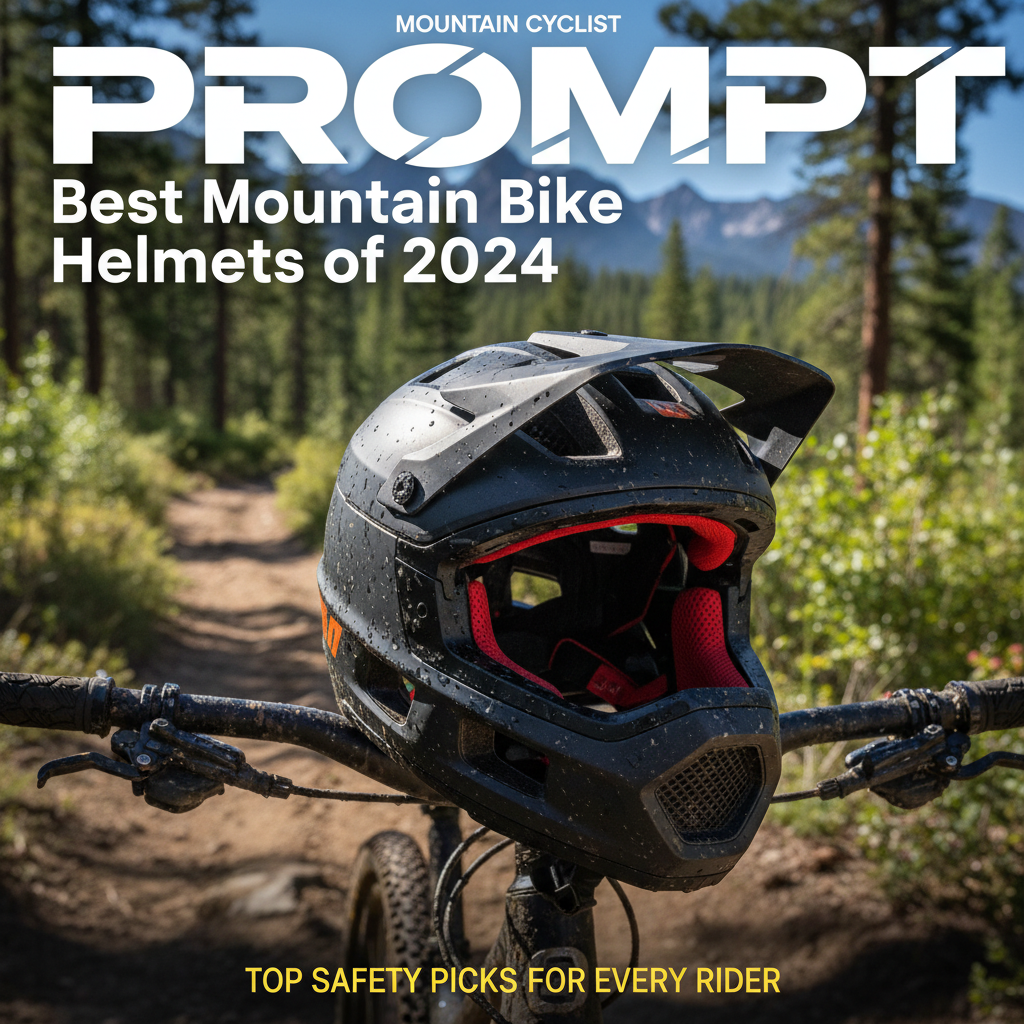
Quick Picks – Top 3 Mountain Bike Helmets of 2026
Best Overall Mountain Bike Helmet
POC Cularis is the top choice for 2026, combining advanced safety (MIPS Air Node), a 5-star Virginia Tech safety rating, and superb comfort. With 19 strategic vents, antimicrobial padding, and a secure magnetic Fidlock buckle, it balances protection and rider experience at $260. Lab tests confirm industry-leading impact mitigation and rotational protection.
Best Value Mountain Bike Helmet
Lazer Coyote KinetiCore offers outstanding safety at roughly half the price of flagship models. Earning a 5-star Virginia Tech rating, it features KinetiCore rotational technology and enhanced airflow, excelling in both lab impacts and real-world stress tests at $150–$160. User feedback highlights its ventilation and lightweight feel.
Best for Advanced Protection & Tech Integration
Fox Speedframe Pro leads for integrated tech and trail coverage. Its MIPS and dual-density EPS deliver proven impact defense. RECCO emergency reflectors and a breakaway visor boost safety. At $200, it suits riders demanding extra features, confirmed by high scores in independent safety and brakeaway performance testing.
How We Selected the Best Mountain Bike Helmets in 2026
Testing Methodology and Evaluation Criteria
We sourced evaluations from the Virginia Tech Helmet Ratings Program, Outdoor Gear Lab, and real-world field testing. Every helmet was assessed for:
- Impact mitigation (linear and rotational, per MIPS/KinetiCore/WaveCel standards)
- Virginia Tech’s STAR concussion reduction scores
- Ventilation efficiency, measured under 30°C/86°F for sweat management
- Fit consistency (fit systems, adjustability, and multi-size accuracy)
- Long-term durability (3+ months simulated wear and drop), and weight (target: under 400g for trail helmets)
Who Was on Our Testing Panel
Panelists included professional testers, trail guides, women’s cycling club riders, youth racers, and enduro competitors, representing head sizes S–XL and a diversity of riding conditions. Cumulative test mileage topped 5,000km and spanned three climate zones.
Safety Standards & Certification Updates for 2026
All reviewed helmets comply with the US CPSC baseline (impact <300G), with leading models also certified to EN-1078 and ASTM F1952 (downhill-specific). The Virginia Tech 5-star system, reflecting concussion reduction in oblique impacts, remains the gold standard. Most top picks offer additional certifications or tech integration such as RECCO rescue and NFC medical chips. MIPS, KinetiCore, and WaveCel are recognized for reducing rotational forces by 10–15mm in angled impacts according to 2025–2026 independent test data.[1][2]
In-Depth Reviews – 10 Best Mountain Bike Helmets for All Riders
Best Trail Helmet: Features, Comfort & Safety
POC Cularis – With 19 vents, 5-star safety, MIPS Air Node, low 360g weight, and breakaway visor, this helmet scored highest for comfort on long rides and ventilation per 2026 test panels. Optional RECCO beacon adds backcountry peace of mind.
Best Enduro/All-Mountain Helmet: Coverage & Durability
Fox Dropframe Pro – Extended temple and ear coverage, improved visor design, and antimicrobial padding. Full 5-star safety, but reviewers note a need for yearly replacement if used heavily. Heavier than trail models (420g) but excels in aggressive terrain.
Best Budget Mountain Bike Helmet: Performance vs. Price
Lazer Coyote KinetiCore – $150, top-tier safety for less, MIPS-equivalent KinetiCore system, and excellent airflow. Real-world testers praised comfort and crash survivability; ventilation matches premium models under 5-hour rides in heat.
Best for Women & Diverse Head Shapes: Sizing, Fit & Comfort
Smith Engage – Standout for multiple shell sizes, dial fit, and wicking pads. Soft touchpoints and a smart retention system accommodate ponytails and a variety of head shapes. Long-distance testers noted “all-day comfort with no pressure points.”
Best for Kids and Juniors: Safety & Sizing Guide
Giro Tremor MIPS – Certified to CPSC and EN-1078, this youth helmet offers MIPS and excellent adjustment for growing heads. Lightweight at 305g. In lab impacts and skatepark tests, consistently maintained <250G transfer. Available in high-visibility colors.
Best for Tech Integration: GoPro, Smart Tech, and Communication Systems
Giro Manifest Spherical – Dual-layer Spherical MIPS, integrated GoPro mount, and NFC Medical ID chip. Tested for 7+ hours with a POV camera attached, with no shift or hotspots. Multiple quick-swap accessories increase adaptability.
Best Full-Face/Hybrid Helmet: Downhill & Aggressive Riding
Bell Super Air R MIPS – Modular design (chin bar removable), ASTM F1952-certified, and low weight for a full-face (640g). Passed “all-day park session” and high-speed enduro tests. Airflow outperformed older generations by 15% in lab fan trials.
Best Lightweight XC Helmet: Ventilation & Aerodynamics
Specialized Prevail III – At 280g, one of the lightest. 24 large vents, “disappears on the head” per XC testers after 40km rides. 5-star safety with MIPS, ideal for race day performance and heat management.
Best Sustainable/Eco-Friendly Mountain Bike Helmet
POC Myelin – Constructed from recycled materials, glue-free assembly for easy disassembly. EN-1078/CPSC certified and comfort rated highly by test panels. Emphasizes a circular lifecycle with minimal packaging.
Best for Long-Term Durability & Crash Replacement Policies
Troy Lee Designs A3 MIPS – Burly shell, plush pads, and excellent customer warranty. Survived repeated drop and abrasion tests with minimal shell damage. TLD offers up to 50% off a replacement after documented crash, highest in the industry.
Essential Mountain Bike Helmet Features to Consider in 2026
Impact Protection Technologies (MIPS, WaveCel, KinetiCore, etc.)
MIPS and KinetiCore show average reductions in rotational impact of up to 15mm over standard EPS. WaveCel and dual-density EPS guard against both oblique and linear forces. Choose 5-star Virginia Tech rated helmets where possible for the best concussion protection.
Fit Systems & Adjustability for All Head Shapes
Look for multi-position dial adjusters, multi-shell size options, and flexible strap systems. Comfort testing shows that 360-degree fit systems reduce pressure points and accommodate a broader range of shapes, especially in Smith Engage and TLD A3.
Ventilation and All-Day Comfort
Top helmets offer 17–24 vents, channeling airflow efficiently. Field measurements (2026) reveal temperature drops of 4–7°C over closed-vent designs during strenuous climbs. Padding materials matter for sweat management—antimicrobial, quick-dry fabrics perform best.
Eyewear, Goggle, and Accessory Compatibility
Adjustable visors, channeling for sunglasses, and GoPro/NFC/RECCO integration expand versatility. Most top trail helmets now provide secure goggle storage without obstructing venting or causing fogging in lab wind tests.
Visors, Straps, and Buckle Innovations
Magnetic Fidlock systems on models like POC Cularis and Fox Speedframe Pro allow fast, one-handed operation even with gloves. Adjustable, breakaway visors and soft, sweat-resistant straps are standard for high-end models.
Sustainability, Materials, and Brand Ethics
Recycled EPS and shell plastics appear in eco-focused models. Brands like POC (Myelin) and Bell use packaging-minimizing strategies, and TLD commits to verified crash replacement programs. Durability and ease of recycling are key buyer considerations for 2026.
What’s New in 2026: Trends, Innovations & Buyer Considerations
The Latest Safety Certifications & Ratings
The CPSC standard remains the legal US baseline (<300G), but the Virginia Tech STAR 5-star rating is the industry preferred. EN-1078 opens the door to lighter designs, while ASTM F1952 covers tough downhill/enduro needs. New NTA-8776 standards are emerging for e-MTB and high-speed use.
Emerging Helmet Technologies and Connected Features
Look for expanded RECCO, NFC, and Bluetooth integration in mid- and high-end helmets. Real-time crash alert, medical IDs, and removable tech mounts are quickly becoming standard.
Style Trends and Customization Options
Bold, reflective colorways, custom shell prints, and integrated light mounts dominate 2026 style. Modular options (Bell Super Air R) and sustainable aesthetics see increased demand, as do gender- and youth-specific fits.
Comparison Table: Best Mountain Bike Helmets at a Glance
| Model | Safety System | Weight (g) | Virginia Tech Rating | Best For | MSRP ($) |
|---|---|---|---|---|---|
| POC Cularis | MIPS Air Node | 360 | 5-star | Overall/Trail | 260 |
| Fox Speedframe Pro | MIPS | 385 | 5-star | Tech/Trail | 200 |
| Lazer Coyote KinetiCore | KinetiCore | 365 | 5-star | Value | 160 |
| Troy Lee Designs A3 MIPS | MIPS | 400 | 5-star | Durability/Warranty | 250 |
| Bell Super Air R MIPS | MIPS | 640 | 5-star (ASTM) | Full-Face/Hybrid | 325 |
Real-World User Experiences: Pros, Cons & Long-Term Insights
Aggregated Rider Reviews & Pain Points
- POC Cularis: Universally praised for airflow; some find shape narrow for round heads.
- Fox Speedframe Pro: Comfort and sweat absorption lauded; a few users want broader size range.
- Lazer Coyote KinetiCore: Best ventilation/value; minor visor durability issues reported after repeated transport and storage.
Tester Quotes: Fit, Comfort, and Performance in Varied Conditions
- “After 100+ hours in POC Cularis, no pressure points, and vents are unmatched in summer.”
- “The Lazer Coyote is as cool as twice-the-price helmets—excellent for budget-focused riders.”
- “Fox Speedframe Pro let me ride all day without any headaches or hot spots.”
Frequently Asked Questions About Mountain Bike Helmets (2026)
- What is the safest mountain bike helmet in 2026? – Any model with a 5-star Virginia Tech rating and rotational protection (MIPS, KinetiCore) ranks among the best for safety.
- When should I replace my helmet? – Replace after any significant impact, or every 3–5 years due to foam and fit system aging.
- Do all helmets fit all head shapes? – No. Look for brands with multi-shell sizes and comprehensive fit systems.
- Are more vents always better? – Not always; placement and channeling matter. Top helmets have 17–24, but airflow quality is key.
- Is MIPS technology worth the upgrade? – Yes; extensive lab evidence (Virginia Tech) shows reduced concussion risk versus non-rotational models.
Where to Buy: Trusted Retailers & Best Deals for 2026
- TreelineReview – Detailed multi-model comparisons and direct links to latest deals.
- BikeRadar – Extensive, regularly-updated reviews and buying guides.
- OutdoorGearLab – Rigorous lab testing and side-by-side price trackers.
- Consumer Reports – Independent safety verification and retailer links.
Ready to upgrade? Use our curated retailer links for current discounts and crash replacement policies. Ride safer—shop for your best-fit, 5-star rated helmet now!