
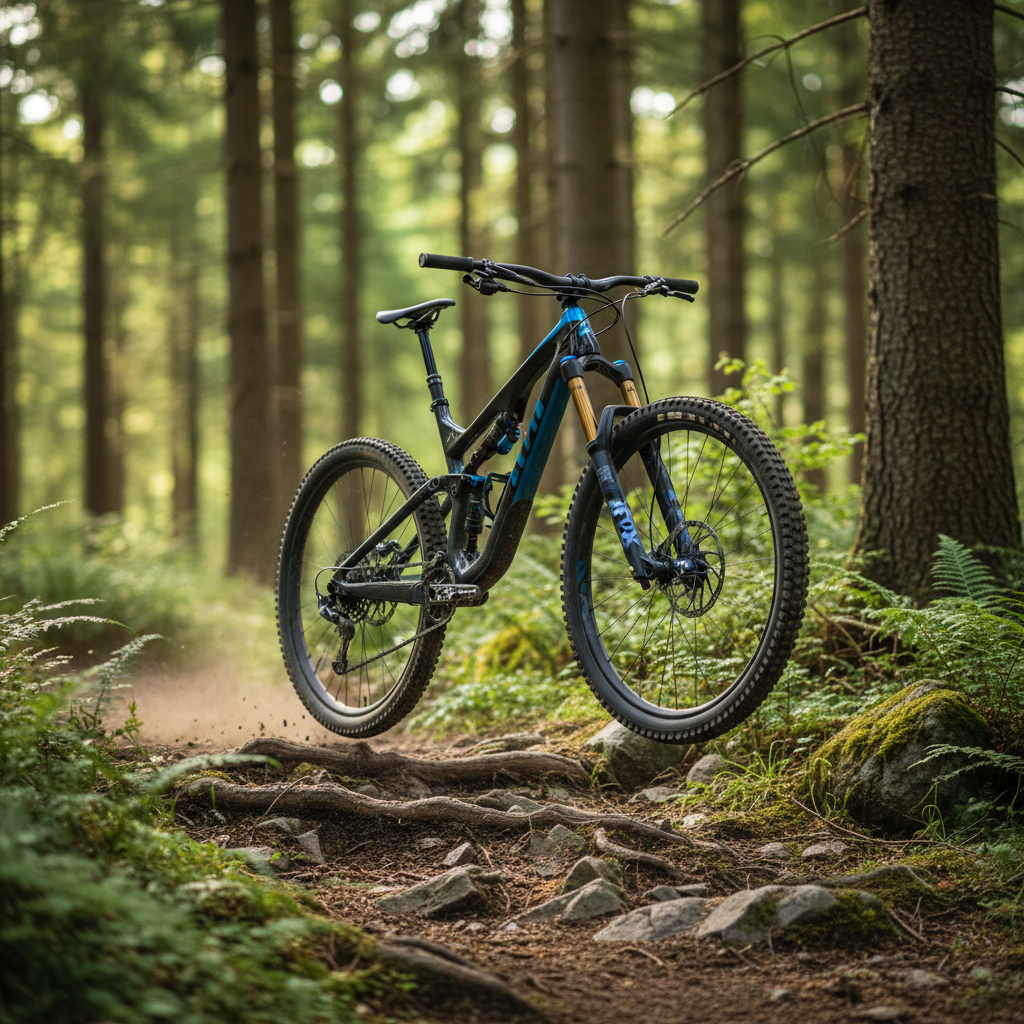
Quick Picks: Best Full Sus Mountain Bikes of 2024
Best Overall Full Sus Mountain Bike
Atherton S.150 – This trail and all-mountain bike stands out for its unmatched suspension performance, “bottomless” traction, carbon tubes with 3D-printed titanium lugs, and 22 customizable sizes. Testers highlight its confidence on descents and agility. Approx. price: €7,200. Buy here
Best Value Full Suspension Bike
Polygon Siskiu T8 – Delivers handling and speed close to bikes costing twice as much. Alloy frame, adjustable Fox suspension (9/10 by testers), multiple wheel/travel options: 150/140mm (27.5”), 140/135mm (29”), 15.6kg. Known for value and ready-to-ride spec. Buy here
Best for Trail Adventures
Specialized Stumpjumper 15 – 150mm front / 145mm rear travel. Known for refined, planted handling across mixed terrain, making it a go-to for versatile trail/adventure riders.
Best XC (Cross-Country) Model
Scott Spark RC WC AXS – 120mm front/rear travel, 11.12kg, hidden shock (reduced maintenance), TwinLoc suspension control for race adaptability. Efficient and aggressive geometry positions it at the top of cross-country race categories.
Best Beginner-Friendly Full Sus Bike
YT JEFFSY CORE 5 – An agile, fun trail bike with excellent suspension, value, and easy upgrade potential. Highly rated for new riders who want room to grow.
What Is a Full Sus Mountain Bike?
Full Suspension Explained: Key Features and Benefits
A full suspension (full sus) mountain bike features both a front suspension fork and a rear shock absorber. This design improves comfort, traction, and control on rough terrain. Typical suspension travel is 100-120mm for cross-country, 120-150mm for trail, and up to 200mm for downhill bikes. Adjustable suspension, progressive geometry (slack headangles, longer reach), dropper seatposts, and hydraulic disc brakes are standard. Frames are usually carbon or alloy. Benefits include reduced rider fatigue, superior handling, and versatility for technical trails.
Who Should Buy a Full Suspension Mountain Bike?
Full suspension bikes are ideal for:
- Riders facing technical trails, rock gardens, roots, and drops
- Trail/all-mountain enthusiasts needing a balance of climbing and descending
- Aggressive enduro or downhill riders
- Anyone seeking more comfort and confidence on mixed or challenging terrain
How to Choose the Best Full Sus Mountain Bike
Essential Buying Considerations (Travel, Geometry, Frame Material)
Match travel to your goals:
- XC/down-country: 100-120mm travel for speed and efficiency
- Trail/all-mountain: 120-150mm for versatility
- Enduro: 150-170mm for steep, technical descents
Modern bikes favor progressive geometries: slack (65-66°) head angles, longer reach, steep seat tubes. Alloy frames are affordable and durable; carbon frames are lighter for racing but cost more.
Wheel Size Guide: 27.5 vs 29 Inch Options
| Wheel Size | Pros | Cons | Best For |
|---|---|---|---|
| 27.5″ | Agile, responsive, suits shorter riders | Less rollover ability | Tight trails, playful riding |
| 29″ | Stable, better traction/rollover | Heavier, less nimble | Fast, flowy trails, taller riders |
| Mullet | Stability + agility | Frame specific | Technical descents |
Budget Planning: What to Expect in Each Price Range
- Entry ($1,000–$2,000): Alloy frames, basic components, suitable for trail beginners (e.g., Polygon Siskiu T8)
- Mid-range ($2,000–$5,000): Mix of alloy/carbon, better shocks, advanced geometry
- High-end (>$5,000): Carbon frames, top specs (SRAM AXS, Fox Factory), lighter weight for racing
Size & Fit Tips for Maximum Comfort
- Prioritize reach and stack rather than just inseam
- Ensure 2–5cm standover clearance
- Test ride if possible for fatigue reduction and feel
- Progressive sizing accommodates better comfort and handling
Full Sus Mountain Bike Reviews: Top Models Tested (2024)
Specialized Stumpjumper 15: Specs, Pros & Cons, Test Insights
- Travel: 150mm front / 145mm rear
- Frame: Carbon, progressive geometry
- Pros: All-mountain capability, balanced for both climbs and descents
- Cons: Premium pricing
- Test Insight: Excels across a wide variety of terrain
Atherton S.150: Specs, Pros & Cons, Test Insights
- Frame: Carbon tubes with 3D printed titanium lugs
- Travel: Approximates trail/all-mountain sweet spot
- Pros: Superb suspension, 22 sizes, stable handling
- Cons: High price, custom sizing needed for some
- Test Insight: “Bottomless” traction and agile for its class
Canyon Spectral CF LTD: Specs, Pros & Cons, Test Insights
- Frame: Carbon, lightweight
- Wheel size: 29”
- Pros: Intuitive, agile, excellent value
- Cons: Struggles on extremely rough, technical terrain
- Test Insight: Great for fun-focused trail riding
Scott Spark RC WC AXS: Specs, Pros & Cons, Test Insights
- Travel: 120mm front/rear, 11.12kg total weight
- Suspension: TwinLoc remote, hidden rear shock
- Pros: Excellent efficiency, race geometry, reduced maintenance
- Cons: Less plush for big descents
- Test Insight: Leading cross-country race platform
Polygon Siskiu T8: Specs, Pros & Cons, Test Insights
- Travel: 150/140mm (27.5”); 140/135mm (29”)
- Frame: Alloy, 15.6kg
- Pros: Unbeatable value, adjustable for riding style, well-rounded spec
- Cons: Entry-level chain, heavier than expensive carbon models
- Test Insight: 9/10 by reviewers for price performance
Best Full Sus Mountain Bike for Beginners
Why Full Suspension is Great for New Riders
Full suspension bikes absorb more trail impacts, helping beginners progress faster, reduce fatigue, and build confidence. They forgive mistakes and provide better traction and control, which encourages riders to try more technical features sooner.
Best Beginner Models and Easy Setup Tips
- YT JEFFSY CORE 5—User-friendly, agile, and ready for upgrades
- Polygon Siskiu T8—Affordable, easy sizing, good baseline components
Easy setup: Match air pressure in suspension to your weight (consult charts); start with rebound at midpoint and adjust after short rides; ensure correct saddle height and reach for comfort before hitting the trails.
Maintenance and Care for Full Suspension Bikes
Full Sus Bike Upkeep: Suspension Servicing Basics
- Clean after each ride with mild soapy water—avoid pressure washers near bearings
- Wipe stanchions and shock seals after every ride
- Follow manufacturer interval: forks and shock lower-leg/air can service every 50 hours, full professional service every 100 hours or yearly
- Diagnostic: Look for leaks, loss of performance, sticky feel
Longevity Tips: Keeping Your Bike Trail-Ready
- Check and adjust air pressure before every ride
- Tweak rebound and compression to suit trail conditions
- Transport with stanchion protection
- Regular minor maintenance extends lifespan and performance
2024 Full Sus Mountain Bike Trends and Future Innovations
Latest Suspension Technologies and Frame Designs
High-pivot suspension systems are gaining adoption for their improved wheel trajectories over rough terrain (notably in enduro categories). Cross-country bikes now frequently use 120mm travel with aggressive head angles (64–66°) for added stability, blurring past class lines. Universal Derailleur Hanger (UDH) is now common, enabling simpler, more robust drivetrain upgrades.
Sustainable Materials & Eco-Friendly Developments
While carbon continues as the premium material for weight savings, alloy remains favored for cost and durability. Early tests with flex-stay alloy frames are underway to combine longevity and value, but industry reporting on recycled or bio-based frames in 2024 remains limited.
Integration of Smart Tech in Full Sus Bikes
Wireless electronic drivetrains (SRAM AXS, Shimano Di2) are spreading, as is smart suspension adjustment accessible via handlebar remotes. Integration of frame-based storage is now standard on many trail bikes, enhancing convenience.
Comparisons: Top Full Suspension Bikes Head-to-Head
Trail vs. XC vs. All-Mountain Models
- Trail: 120–150mm, balanced climbing/descending, e.g., Canyon Spectral
- XC: 100–120mm, lighter, steeper geometry, e.g., Scott Spark RC
- All-Mountain/Enduro: 150mm+, prioritize descending, e.g., Atherton S.150
Best Picks for Climbing vs. Descending
- Best Climber: Scott Spark RC WC AXS (XC focus)
- Best Descender: Atherton S.150 (aggressive suspension, long travel)
- Best Balance: Specialized Stumpjumper 15 (versatility)
FAQ: Everything About the Best Full Sus Mountain Bikes (2024)
29” vs 27.5”: Which is Better?
29” offers better rollover and speed—excellent for taller riders and long flow trails. 27.5” is more agile, preferred for tight, technical tracks and smaller riders. No universal best; it’s about matching your riding style and height.
Can I Get a Good Full Sus Under $2,000?
Yes—options like Polygon Siskiu T8, Canyon Neuron 5, and Carrera Titan X all deliver trail-worthy performance, though you may give up lighter frame materials or higher-end drivetrains. Prioritize suspension quality and geometry at this level. See current deals
Hardtail vs Full Suspension: What’s Right For You?
Hardtails are lighter, lower maintenance, and ideal for smoother or less technical terrain, plus lower cost. Full suspension is more forgiving and versatile for rough, technical environments but requires more upkeep. Choose based on the majority of your riding surfaces and progression goals.
Final Recommendations: Choosing Your Perfect Full Sus Mountain Bike
Start by defining your riding style—XC, trail, or enduro. Match suspension travel and geometry accordingly. Choose wheel size and frame material for your trails and budget. If possible, test ride contenders for comfort and handling. For value, the Polygon Siskiu T8 and YT JEFFSY CORE 5 stand out; for top performance, the Atherton S.150 and Specialized Stumpjumper lead the field. Prioritize suspension quality and fit over flashy specs. Ready to upgrade your ride? Shop the best deals now.