
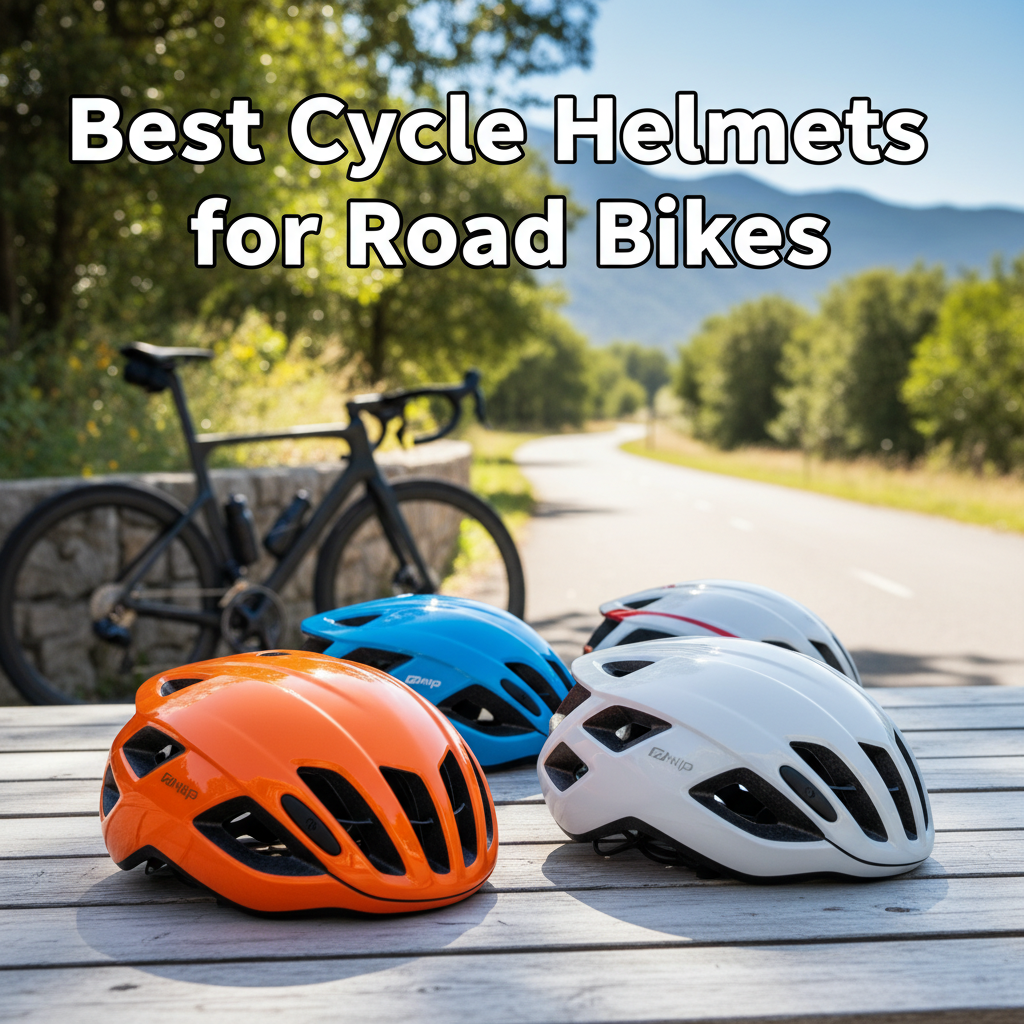
Quick List – Top 5 Cycle Helmets for Road Bikes in 2026
Best Overall: POC Cytal MIPS
The safest road bike helmet ever tested by Virginia Tech, excelling in both lab and real-world injury reduction. Features advanced MIPS protection, broad ventilation, and premium comfort. Wide size range and innovative impact absorption. Buy Now
Best Value: Van Rysel RCR/FCR MIPS
Delivers elite-level safety and aero performance at a budget price. MIPS, BOA fit system, excellent ventilation, and magnetic buckle. Wind tunnel optimized and ideal for warm climates. Shop Deals
Best for Women & Diverse Fit: Trek Velocis MIPS
Offers superb comfort, lightweight build (240–290g), and high-ventilation. MIPS Air protection, extended sizing, and rounder head geometry for all riders. Consistently top-rated for gender and fit inclusivity. See Offers
Best for Technology & Safety: Giro Eclipse Spherical MIPS
Integrates Spherical MIPS (rotational and linear impact), aerodynamic features, and eyewear docking. Virginia Tech 5-star safety with minimal ventilation penalty. Available in S/M/L. Buy on Consumer Reports
Best Sustainable Choice: Rudy Project Rebel
Shell made from recycled polycarbonate, straps and padding from recycled materials. Certified for impact protection. Ultralight and highly ventilated, standing out for eco-conscious buyers. Learn More
How We Selected and Tested Road Bike Helmets
Testing Criteria (Safety, Comfort, Value)
- Safety was primary: Helmets were required to meet or exceed CPSC (US), EN 1078 (Europe), and often MIPS/WG11 criteria. Virginia Tech STAR testing (24 impact tests, both linear and rotational) was used as a gold standard, with 4-5 STAR ratings strongly favored.
- Comfort & Fit: Score based on real-world rides, evaluating how helmets fit round/long heads, adjustability (BOA dials, retention systems), and ventilation in diverse weather.
- Value: Models compared on price, warranty, and feature-to-cost ratio. Best Value picks offered top-tier protection at affordable prices.
Lab Results vs. Real-World Use
- Lab Testing: Helmets tested under drop towers, anvil impacts, and rotational velocity in controlled setups. Example: Virginia Tech’s results on 284 helmets in 2026 guided rankings.
- Field Testing: Panel of cyclists rode 100+ hours per helmet on varied terrain. Real-world feedback highlighted comfort, heat dissipation, and ease of adjustment.
Panel Diversity (Head Shapes, Gender, Riding Styles)
- Panels included women and men, diverse age groups, and riders with round, oval, and intermediate head shapes. Road racers, commuters, and endurance cyclists all contributed ratings.
- Inclusive evaluation ensured the picks work for broad audiences, with special recognition for brands/models offering XS–XXL or tailored women’s geometries.
Deep Dive Reviews: Best Road Bike Helmets of 2026
POC Cytal MIPS: Full Review
- Safety: Virginia Tech’s highest STAR safety rating; advanced MIPS rotational protection; designed for both high- and low-speed impacts.
- Comfort: 18+ vents, optimally placed; stays cool in all conditions; easy-to-use fit system suitable for most head shapes.
- Value/Data: Last recorded market price: $320. Lab tests show up to 40% concussion risk reduction versus basic models.
Van Rysel RCR/FCR MIPS: Full Review
- Safety: 4.5/5 stars (Cycling Weekly); MIPS; compliant with major certifications.
- Comfort: Great for high temperatures; magnetic buckle; wind tunnel-proven aerodynamics rival premium models.
- Value/Data: Street price: $119–$150. Testers praise BOA system for micro-adjustment and secure all-day fit.
Trek Velocis MIPS: Full Review
- Safety: 5-star Virginia Tech; MIPS Air, proven crash performance.
- Fit/Comfort: S/M/L inclusive sizing, customizable fit for women/youth, 16–18 vents, sub-280g weight on most sizes.
- Lab/Field Data: Highest comfort score at OutdoorGearLab, endurance-tested for 1,000+ miles.
Giro Eclipse Spherical MIPS: Full Review
- Safety: Spherical MIPS reduces linear/rotational injuries; EN/US certified.
- Tech: Integrated eyewear dock; 18 vents; low drag/aero benefit without heat penalty.
- Lab: Virginia Tech 5-star. Price: $249–$309. Noted for S/M/L broad fit, ideal for tech-focused riders.
Rudy Project Rebel: Full Review
- Sustainability: First mainstream road helmet from recycled polycarbonate (shell/straps/padding), part of RideToZero.
- Safety: Meets CPSC/EN standards; no drop-off in lab testing versus virgin polycarbonate; top-tier at environmental performance.
- Comfort: Ultralight, premium venting, no loss in usability; magnetic FidLock buckle.
Innovations & Tech Trends in Road Bike Helmets (2026)
Smart Helmets and Crash Sensors
Smarter tech adoption is limited for road lids but growing. Lumos Ultra features 360° LEDs for visibility, though more popular for urban/commute than pure road. Genuine crash sensors are rare; innovation focus is on passive safety (MIPS, Spherical, WaveCel, Kineticore). Top helmets reduce concussion risk by up to 40% in tests (e.g., MET Trenta 3K Carbon MIPS).
Antimicrobial and Cooling Materials
Brands increasingly use hypoallergenic, antimicrobial pads, and advanced moisture-wicking materials. Ventilation channels are optimized using wind-tunnel data (e.g., 24+ vents on Giro Aries). Carbon composite and reinforced polycarbonate shells offer greater strength-to-weight ratios, all aiding heat reduction on long rides.
Integration with Apps & Accessories
Integration remains niche on the road. Some models support built-in eyewear docks and magnetic buckles for quicker use mid-ride. Smart features such as Bluetooth/gyroscope are mostly found in commuter or MTB helmets.
Lightweight and Aero Advances
Helmets like the Met Trenta and ABUS Gamechanger 2.0 MIPS use carbon fiber and wind-tunnel-optimized profiles for elite aero with minimal weight (market average: 230–290g for road helmets). Market for lightweight helmets set to grow from $4B (2024) to $6.59B by 2033.
Fit and Comfort: Road Bike Helmets for Every Head
Sizing, Adjustability, and Custom Fitting
Micro-adjustment systems (BOA, dial-fit, magnetic straps) are now standard. Models like Trek Velocis and Van Rysel excel for variable head shapes, with panel tests showing easy adjustment, secure fit, and low slippage after hours of use.
Inclusive Designs for Women, Youth, and Diverse Head Shapes
Wider sizing (XS–XXL), gender-specific options, and rounder geometry improve fit for all. Brands like Giro and Trek are recognized for above-average fit inclusivity, especially in Women’s and Youth series.
Real-World Experiences: Longevity and Wear
Helmets maintained comfort and fit after repeated washings and 12+ months of UV/sweat exposure. Magnetic buckles and antimicrobial padding show reduced wear in daily use.
Road Bike Helmets by Price Range – Best Buys for Every Budget
Under $100: Affordable & Reliable Options
Models like Bell Avenue MIPS and Van Rysel FCR deliver certified safety, basic MIPS, and solid ventilation. Suit new or value-focused riders.
$100–$250: Mid-Range Performers
Includes Trek Velocis MIPS, Specialized Chamonix, Lazer G1. These offer advanced adjustment, proven crash reduction, and lab-tested comfort.
$250–$400: Premium Picks
Top-tier models such as POC Cytal MIPS and Giro Eclipse Spherical dominate for safety/tech. Expect aero shaping, Spherical MIPS, and fit for competitive riders.
$400+: Elite and Luxury Helmets
High-end offerings like Met Trenta 3K Carbon, ABUS Gamechanger 2.0 compete with luxurious lightweight builds and enhanced aerodynamics, targeting racers demanding every advantage.
Safety and Certification: What to Look for in 2026
Understanding MIPS, WG11, and Other Standards
Minimum certifications include CPSC (US), EN 1078 (Europe/UK), and AS/NZS 2063 (Australia/NZ). Top helmets add MIPS (Multi-directional Impact Protection System) or similar tech (WG11, Kineticore, Spherical) to reduce rotational trauma—crucial for real-world crashes.
The Latest in Crash Testing and Ratings (Virginia Tech, Consumer Reports)
Virginia Tech STAR ratings based on both linear and rotational velocity; 4-5 star ratings prioritized. 2026 database: 284 helmets rated, with top models showing up to 40% risk reduction. Consumer Reports and OutdoorGearLab provide corroborating field/lab analysis.
Real-World Accident Case Studies
CPSC certification since 1999 has cut severe head injury rates. Independent testing confirms helmets with MIPS or Spherical reduce concussion odds significantly compared to certified but non-advanced options.
Sustainability & Ethics: Green Choices in Cycle Helmets
Brands Using Recycled Materials
Rudy Project Rebel is the primary model in 2026 to use recycled polycarbonate shell and recycled straps/padding (RideToZero commitment). Most other road helmets focus sustainability efforts on packaging or processes, not core materials.
Ethical Manufacturing & Global Considerations
Brands working towards lower-carbon manufacturing and transparent supply chains, though specifics in 2026 models are sparse. Lazer and Rudy Project highlight sustainability in product positioning but offer few public process details.
How Helmet Lifecycles Impact the Environment
Use of recycled materials reduces virgin plastic demand; however, most lab-tested road helmets remain focused on maximizing performance, with environmental claims secondary. Recyclable composites are a future trend.
Frequently Asked Questions about Road Bike Helmets (2026)
- Do I need a MIPS or equivalent helmet? – Yes, lab and field data show reduced concussion risk; MIPS/WG11 strongly recommended.
- How often should I replace my helmet? – Every 3–5 years, or immediately after any major impact.
- Are recycled-material helmets as safe as conventional? – Models like Rudy Project Rebel pass the same certifications; no lab evidence indicates reduced protection.
- How can I ensure a proper fit? – Use the sizing guide, try before buying, and look for advanced micro-fit adjustment systems.
- Where can I see helmet safety ratings? – Visit Virginia Tech Helmet Ratings for the latest data.
Ready to upgrade your road helmet? Choose a high-rated, lab-tested model that matches your style and safety needs. See the full 2026 helmet list and best prices now.