
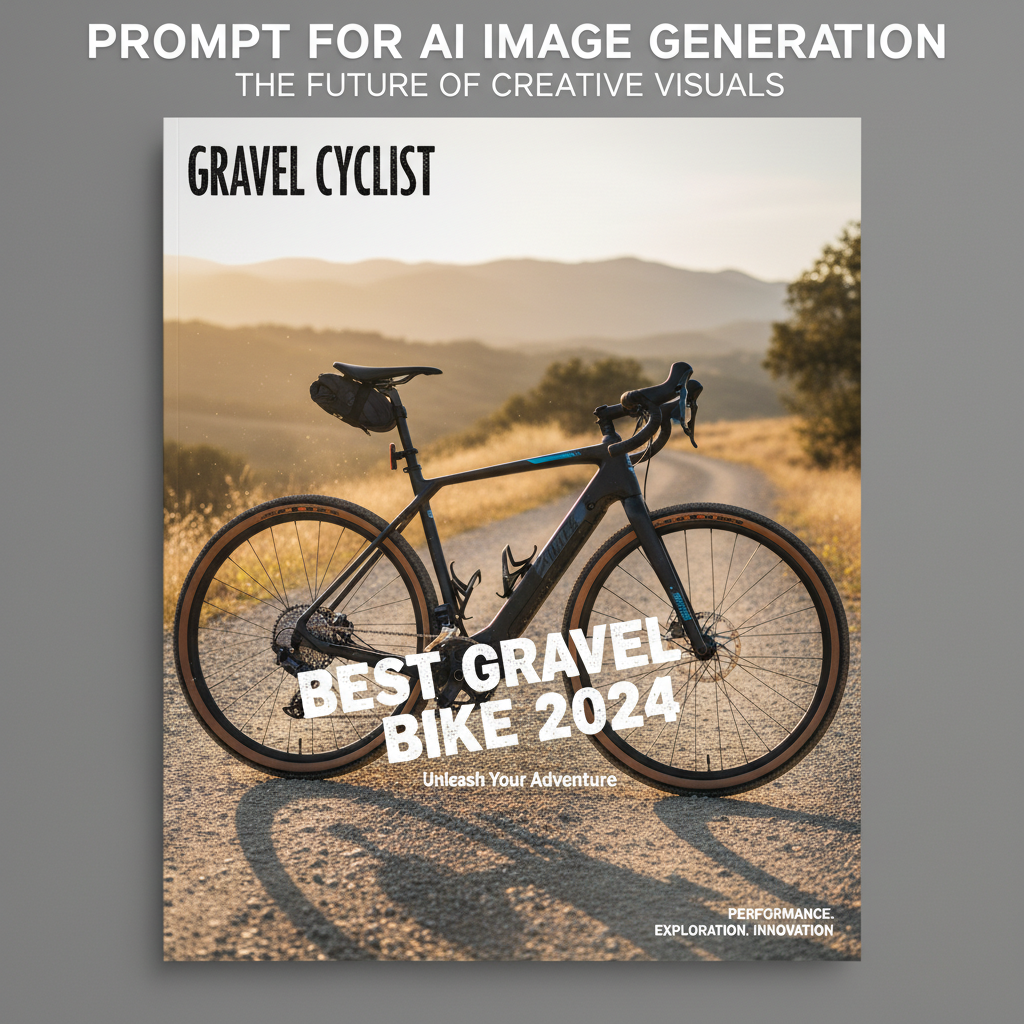
Quick Picks – Best Gravel Bikes for Every Rider in 2024
Best Overall Gravel Bike 2024
Canyon Grizl CF SLX 8 Force AXS Trail. Balanced performance, SRAM Force eTap AXS 1×12, 45mm tire clearance, weight: 9.82kg, price: €5,299. Excels in comfort, speed, and trail capability. View details
Best Value Gravel Bike
YT Szepter Core 4. Carbon frame, SRAM Force eTap AXS XPLR 1×12, 700x45mm tires, weight: ~9.8kg, price: €4,499. Features a suspension fork and dropper post for stability. More info
Best for Racing and Lightweight Performance
Ventum GS1. Carbon, SRAM Force eTap AXS XPLR, weight: ~8.7kg, 700x48mm tire clearance. Designed for racing and fast gravel riding. Read on
Best for Bikepacking & Adventure
BMC URS LT TWO. Full suspension, 45mm clearance, compact climbing gear, weight: 9.5kg, price: €6,499. Excels loaded and off-road. Details here
Best Budget Gravel Bike Under $2,000
Salsa Journeyer Advent. 11.8kg, 50mm clearance, US$999. Outstanding value, accessible for entry-level and all-round use. Budget options
2024 Gravel Bike Trends & Tech Innovations
Electronic Drivetrains & Smart Integration
Major brands released 12-speed electronic shifting for gravel bikes. Shimano’s awaited 12-speed electronic GRX and SRAM eTap AXS expand wireless options. Some 2024 bikes integrate weather-sealed gearboxes (Pinion) allowing shifts under load or stationary. Data integration—linking e-drives, shifting, power meters, and even heart rate—is growing rapidly for smart ride feedback.
E-gravel bikes are lighter and more powerful, handling elevation and variable conditions with ease.
Modern Gravel Geometry Advances
Progressive, longer reach frames paired with shorter stems create a stable yet agile feel. Contemporary geometry trends prioritize vibration damping: floating or flexing seatstays and fork compliance solutions (e.g., DT Swiss custom forks). Suspension becomes common, especially for adventure or technical gravel, with dedicated fork mounts and air shocks emerging.
Materials Spotlight – Carbon, Alloy, Steel, and Titanium in 2024
- Carbon: Still the lightest, stiffest, and now offers better compliance and vibration damping.
- Aluminum: Value builds are lighter than before (e.g., Specialized Crux DSW at 9.75kg), tough, and cost-effective.
- Steel: Durable and comfortable, used for adventure and bikepacking models.
- Titanium: Growing for technical and luxury sectors—smooth ride, excellent longevity.
Eco-Friendly & Sustainable Gravel Bike Options
2024 sees more brands using recycled materials in frames and accessories, offering “lifetime” wheel warranties, and focusing on easy-to-service parts (e.g., SRAM UDH hangers) to reduce waste and extend product life.
In-Depth Reviews of the Best Gravel Bikes 2024
Canyon Grail: Versatility & Value
The Grail stands out for its double-decker carbon handlebar, accommodating 40mm+ tires, and advanced geometry. Testers praised its speed and comfort over washboard gravel. Prices start at ~$3,000. Durable, fast, and versatile, it’s a top pick for all-road riders.
Santa Cruz Stigmata: Off-Road Performance
Featuring SRAM Force eTap AXS XPLR, 45mm clearance, weight: 9.2kg, price: €8,299. Scores high for handling on technical, rough surfaces and all-day adventures. Noted for practical mounts and superior ride damping.
Specialized Crux: Lightweight Racer
- Crux Expert (carbon): 4.5/5 rating, ~8kg, aggressive cyclocross geometry, SRAM Rival eTap AXS, 47mm clearance, £5,500. Praised for speed and precise handling.
- Crux DSW Comp (aluminum): 9.75kg, SRAM Apex 12-speed, 47mm clearance, superior in value, nimble on roads and gravel. Mechanical drive offers durability and lower cost.
- S-Works Crux: Premium carbon (7.3kg), highly responsive, competitive on hard-pack and fast gravel. Price: €12,800.
All models feature generous tire clearance and excellent frame compliance. Downside: on rough, loose gravel, it’s less composed than adventure-focused competitors.
Read Specialized Crux reviews
Salsa Warbird: Endurance and Simplicity
A classic US gravel design emphasizing comfort, simplicity, and reliability; praised for efficiency on long rides. Consistently recommended for endurance events, loaded trips, and rougher conditions.
Additional Honorable Mentions
- BlackHeart Gravel AL: Aluminum, 47mm clearance, road bike feel on gravel
- Rose Backroad FF RED XPLR AXS: Aero performance at mid-tier price (€6,999)
- Cannondale Topstone Carbon 3L: Smoothest ride for long distance
Which Gravel Bike is Best for Your Terrain & Riding Style?
- Urban Riding/Commuting: Priority Gemini (sealed Pinion gearbox, 50mm tires), Cannondale SuperX (fast, agile geometry), Cinelli King Zydeco (comfort and road feel).
- Rough Trails & Technical Gravel:
- Sonder Camino Ti: 50mm+ tires, titanium for durability.
- Propain Terrel CF: Lightweight carbon, 25″ gearing.
- YT Szepter Core 2: Affordable suspension gravel.
- Guava Spot Force AXS: All-around geometry.
- Wet & Extreme Weather:
- Rondo Ruut CF1 G2: Soft-tail comfort, adjustable geometry.
- Canyon Grizl CF 6: 45mm tires, carbon for shock absorption.
- GT floating seatstay: Specialized damping on wet, fast gravel.
- Bikepacking Expeditions:
- BMC URS LT TWO: Full suspension, 20″ climbing gear.
- Salsa Cutthroat C GRX 600: Divide-style endurance.
- Salsa Warbird C: Endurance efficiency, comfort.
Canyon Grizl CF 6 and Rose Backroad FF provide broad versatility across all categories.
Future-Proofing Your Gravel Bike: A 2024 Buyer’s Checklist
Upgradeability – Drivetrain, Wheel Size, and Mounts
- SRAM UDH Hanger: Ensures parts compatibility and repairability.
- Suspension-ready Frames: Make fork/shock additions possible.
- Tire Clearance: Look for at least 45–50mm to future-proof for evolving terrains.
- Dropper Post Compatibility: Useful for technical descents and adventure riding.
- Mounts for Bags, Bottles, Racks: Especially if you plan on bikepacking.
Must-Have Accessories & Add-Ons for 2024
- Integrated frame storage/tool systems
- Remote-lockout suspension or fork upgrades
- Wider, tubeless-ready wheels and tires
- Smart connectivity for GPS, power meters, and shifting
Tire Clearance & Compatibility Considerations
Prepare for 45–50mm+ tires—current wide tire compatibility enables better grip, comfort, and adaptability. Confirm both frame and fork specs for clearance and tubeless compatibility.
Supported Technologies (Wireless Shifting, Power Meters, etc.)
| Technology | Key Benefit |
|---|---|
| Electronic Wireless Drivetrain | Simplified shifting, cleaner cable layout, easier maintenance |
| Power Meter Support | Performance tracking for training and racing |
| Smart Integration (e-gravel, AI-linked sensors) | Optimize effort and route dynamically |
| Suspension Compatibility | Ready for rougher terrain and adventure upgrades |
Maintenance Tips & Ownership Insights for First-Time Gravel Riders
Essential Maintenance Tasks & Cost Estimates
| Item | Frequency | Annual Cost Estimate (Parts + Labor) |
|---|---|---|
| Tires | 1,000–3,000 miles | $50–$100/tire, + $12–$60 fitting if shop |
| Chain | 2,000–4,000 miles | $35, + $20–$30 tools (DIY) |
| Brake Pads | 1,000–2,000 miles | $20–$100 |
| Cable/Housing | Annually/as required | $10–$25 |
| Tune-up (basic) | Twice/year | $40–$90 |
| Full overhaul | Annually | $150–$350 |
Annual maintenance budget: $250–$700 depending on riding conditions and self-servicing vs. shop work.
DIY saves money but requires investment in tools and time. Shop service ensures precision, safety, and warranty coverage, ideal for overhauls and suspension service.
Finding Spare Parts in 2024
Common parts (chains, brake pads, tires) are easy to source from local bike shops or major online retailers. Online shops often offer 30–50% discounts on spares. Always check compatibility with your groupset and wheel size—SRAM and Shimano standards dominate gravel bike parts in 2024.
DIY vs. Shop Servicing: What to Know
- DIY: Cost-effective, builds skill, flexible scheduling. Best for tire changes, minor tunes, cleaning.
- Shop: Professional, crucial for suspension, hydraulic brakes, annual overhauls, and warranty work.
FAQ: Your 2024 Gravel Bike Questions Answered
- What is a gravel bike?
Combines road and MTB features for mixed terrain—curved bars, wider clearance, stronger construction. - What is tire clearance? Why does it matter?
It’s the max tire width that fits the frame/fork; modern gravel bikes offer 35–50mm clearance to optimize grip, comfort, and terrain versatility. - Tire width—how do I choose?
- 35–40mm: Fast, firm gravel and mixed road.
- 40–50mm: Adventure, endurance, rougher trails.
- Pick aggressive tread for wet/mud.
- 1x vs. 2x drivetrain?
- 1x: Simplicity, best for flattish, rough trails.
- 2x: Wide range, smoother for road and hilly terrain.
- Geometry: what matters?
Look for long wheelbase, relaxed angles for stability, taller stack for comfort; race bikes are quicker but less stable on loose terrain. - Disc vs. rim brakes?
Hydraulic discs are standard for superior all-weather braking and modulation; rim brakes only for dry, hard surfaces. - Tubeless or tubes?
Tubeless highly recommended—reduces flats, allows lower pressure and better traction. - Can I put my road wheels on a gravel bike?
Yes, but dedicated gravel wheels offer better control, lower pressures, and durability. - Frame mounts—what to look for?
Choose based on your plans: mounts for multiple bottles, bags, racks if you tour or bikepack. - How to choose the right bike for my riding?
- All-road: Fast, road feel
- Adventure: Stable, lots of mounts
- Rough/technical: Max clearance, suspension ready
- Bikepacking: Durable, geared for loaded climbs
Ready to ride? Explore the latest deals and models at leading retailers and find your perfect 2024 gravel bike adventure. Shop top gravel bikes