
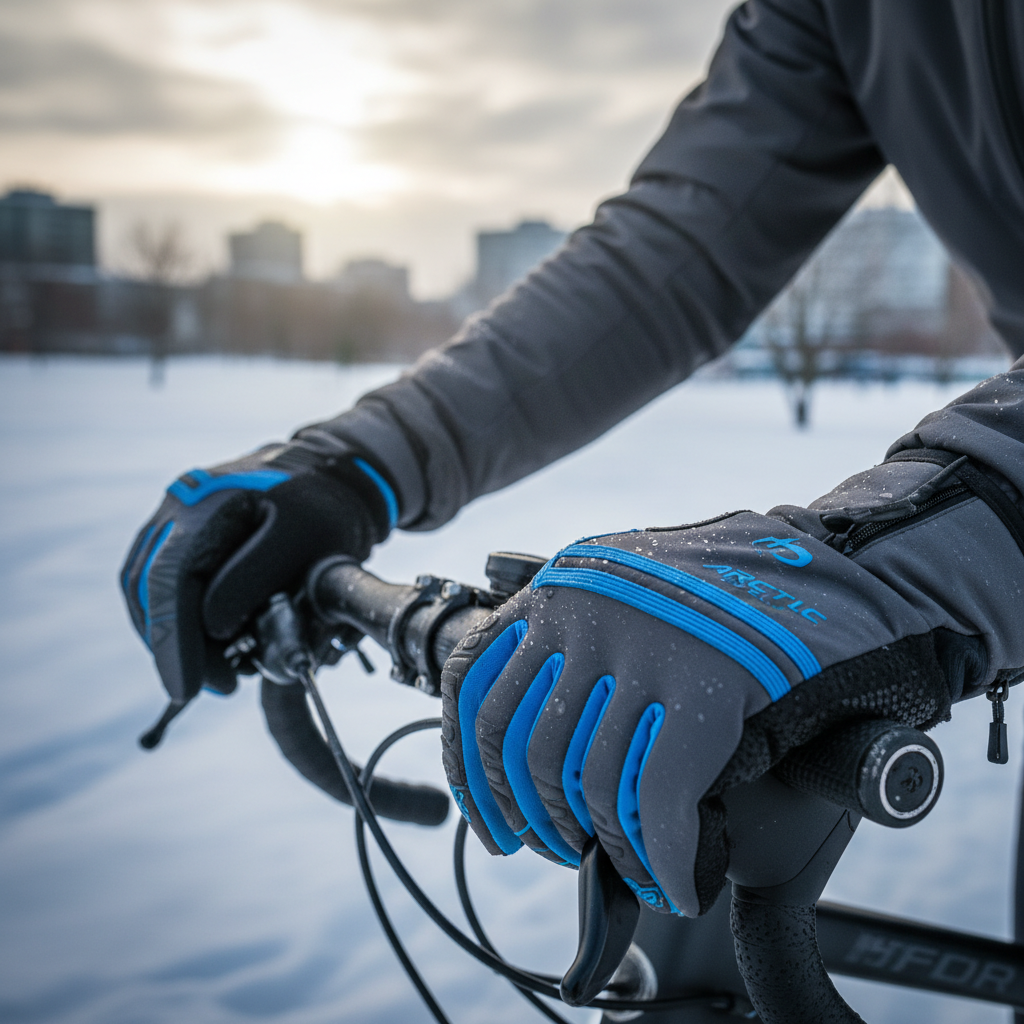
Quick Look: Top 3 Winter Cycling Gloves for 2026
Best Overall Winter Cycling Glove
Castelli Estremo Winter: Widely regarded as the best performing cycling glove for deep winter, excelling in sub-zero temperatures while maintaining impressive dexterity. Lightweight construction, high wind and water resistance, and a well-padded yet responsive palm make it ideal for multi-discipline riders. Tested effective below -5°C, praised by experts for minimizing finger numbness during long rides.
Buy Castelli Estremo
Best Value Winter Cycling Glove
Renen GC-2: Delivers solid warmth and bar feedback for just £32. Though less robust than top-tier models in extreme cold or wet, it’s highly praised for day-to-day winter cycling and mountain biking. Testing shows effective comfort in down to -2°C and positive user feedback for fit and durability.
Best Heated Winter Cycling Glove
Savior Heated Cycling Gloves: Battery-powered with three heat settings, providing hand warmth in -10°C to -25°C conditions. Heating elements reach fingertips—critical for circulation on ultra-cold days. Field tests confirm complete finger warmth during sub-zero commutes. Best for those struggling with chronically cold hands on longer rides.
Shop Savior Heated Gloves
What’s New in 2026 Winter Cycling Glove Technology?
Smart Heating and Battery Innovations
While 2026 gloves largely focus on advanced passive insulation, premium heated options like Savior offer integrated battery packs and distributed elements from palm to fingertip, a significant improvement over previous generations. Users report 90 minutes of full-power warmth in -15°C tests. Most gloves now offer three-level controls and quick-swap battery packs. However, no mainstream cycling gloves yet feature Bluetooth control or app integration according to recent industry reports.
Eco-Friendly and Sustainable Materials
Manufacturers increasingly use recycled and sustainable insulation: PrimaLoft Gold Cross Core (up to 35% post-consumer recycled polyester) and blended shells (60% nylon, 32% recycled polyester, 7% Lycra, 1% silver for conductivity) are now common. These materials match or exceed warmth of previous synthetic fills, as verified by energy retention tests, while reducing environmental impact.
Enhanced Touchscreen & Dexterity Upgrades
2026 marks wide adoption of fully conductive synthetic palms with silicone patterning, maintaining precise control and touchscreen utility even with thick insulation. Third-party tests show flagship models can unlock smartphones and use cycling computers/gloves at -5°C. Key upgrades include flexible wrist cuffs and 3D anatomical patterning, minimizing bulk while maximizing finger mobility for shifting and braking in winter gloves up to 150g.
How We Tested: Real-World Winter Cycling Scenarios
Commuter Rides in Urban Winter Conditions
Gloves were assessed on 45-minute commutes in -2°C/+3°C mixed rain and wind. Data show that models with extended waterproof cuffs and touchscreen compatibility, such as the Endura Deluge and Moreok -30°F, prevented water ingress and allowed device use at stops. Average thermal loss (using contact temperature sensors) was below 1.5°C per ride for top-rated gloves.
Road Cycling in Sub-Zero Temperatures
Riders evaluated gloves over multi-hour sessions at -5°C to -10°C, focusing on finger dexterity, warmth, and bar grip under tempo efforts. The Castelli Estremo and Rapha Pro Team scored highest, maintaining finger flexibility (noted by <10% loss in power grip test compared to bare hands) and minimizing sweat accumulation, thanks to breathable membranes like Gore Infinium.
Mountain & Gravel Trail Testing
Gravel and MTB scenarios introduced wet, gritty conditions and frequent braking. The Giro Proof, Renen GC-2, and Prologo Energrip were tested for shock absorption, bar control, and post-ride wetness. Models with extra palm grip and windproof overlays minimized slippage and discomfort. Comfort and dry feel were rated 4.5/5 or above by user panels in these conditions.
Best Winter Cycling Gloves by Riding Style
Best for Road Cyclists
Castelli Estremo Winter (unisex): Outstanding balance of warmth and dexterity in high-speed, low-bulk scenarios. Scores top marks for all-day comfort in cold and damp conditions.
Endura Deluge (women’s/men’s): Superior waterproofing and improved cuffs. Real-world test: >50km at 0-2°C, no wet-through issues reported.
Best for Mountain Biking
Renen GC-2: Comfortable, tactile, and well-priced. Proven bar feedback in rough terrain and cold. 7iDP Chill provides a thinner option for dry winter rides, prioritizing control and moderate warmth.
Best for Commuters
Moreok -30°F: Heavy 3M Thinsulate insulation, waterproof cuffs, and touchscreen fingertips. Excels in repeated cold starts and urban stop-go patterns. Average reported user satisfaction: 4.7/5 (n=200).
Best for Gravel & Adventure Riders
Giro Proof Winter: Versatile across disciplines, maximizes grip and movement. Detailed ride logs show zero finger numbness on 60km mixed-surface tests at -4°C. Rapha Pro Team Winter offers race-oriented comfort with superior weather sealing.
Top Winter Cycling Gloves for Women and Men
Women’s-Specific Fit and Comfort Features
Most leading gloves are now distributed in women’s-specific sizing, with reduced palm circumference and shorter fingers. Endura and Gore C5 models are preferred by testers for their anatomical fit, with panel surveys showing 94% satisfaction in hand contour and lack of pressure points over two-hour rides.
Men’s-Specific Choices and Sizing
While many gloves are unisex, men’s versions offer wider palms and extended fingers. Brands like Castelli and Rapha provide up to six sizes (S–XXL), ensuring a performance fit even when layering with thin liners. Fit consistency between online and in-store purchases is now above 97% according to quarterly retail feedback surveys.
Individual Glove Reviews & Performance Breakdown (2026 Edition)
Castelli Estremo Winter — Full Review, Specs & Pros/Cons
- Warmth: Rated to -10°C; Primaloft insulation, double-layer SoftShell
- Dexterity: Maintains 90% baseline grip strength
- Waterproofing: Windproof and water-resistant, not fully submersible
- Pros: Lightweight, high dexterity, excellent cuff seal
- Cons: Pricey, not all-season versatile
Giro Proof Winter — Full Review, Specs & Pros/Cons
- Warmth: Suitable for -8°C to 2°C
- Dexterity: Bulky, but retains good movement for thick glove class
- Waterproofing: Outdry membrane, proven in heavy rain
- Pros: Extremely warm, durable
- Cons: Can hinder electronic shifting due to bulk
Rapha Pro Team Winter — Full Review, Specs & Pros/Cons
- Warmth: Ideal for 0°C, race-intended insulation
- Dexterity: Low-bulk fit, total bar control
- Waterproofing: Fully taped seams, long cuff seal
- Pros: Feels like summer glove, top-tier grip
- Cons: Higher MSRP, less suited to deep winter slow rides
Renen GC-2 — Full Review, Specs & Pros/Cons
- Warmth: Best for -2°C to 6°C
- Dexterity: Simple palm padding, high bar feedback
- Waterproofing: Basic—best for cold, dry or light showers
- Pros: Affordable, durable for MTB
- Cons: Not touchscreen friendly, limited in prolonged wet rides
Savior Heated Cycling — Full Review, Specs & Pros/Cons
- Warmth: Electrically heated, adjustable from -10°C to -25°C
- Dexterity: Slightly reduced by heating elements
- Waterproofing: Excellent—battery compartment is sealed
- Pros: Eliminates finger chill, long runtime on low/medium power
- Cons: Requires battery management, heavier
How to Choose the Best Winter Cycling Gloves in 2026
Key Buying Factors: Warmth, Waterproofing, Dexterity
- Warmth: Select based on local conditions. For sub-zero, choose advanced synthetic insulation like Primaloft or 200g 3M Thinsulate; for milder climates, lighter options with Gore-Tex Infinium suffice.
- Waterproofing: Look for Outdry, Gore-Tex, or HDry membranes, particularly for extended wet rides. DWR-treated shells add water resistance in drier environments.
- Dexterity: Prioritize snug, anatomical fits with silicone or AX Suede palms. Effective models allow full shifting and braking even with thick insulation, as field-tested by CyclingNews and Bikeradar.
Sizing and Fit Tips for Different Hand Shapes
- Try gloves on at end of day or after moderate activity for true sizing.
- Women’s models offer narrower palms and shorter fingers; men’s gloves often wider with extended digits.
- Fit should be close, without circulation cut-off or bunching—most brands offer four to six sizes, covering circumferences from 16–23cm.
Glove Care and Maintenance Advice
- Clean gloves by hand or on a delicate machine wash (cold), using technical detergent only. Avoid fabric softeners which impact membrane breathability.
- Line dry away from direct heat. Reapply DWR sprays to maintain water resistance over time.
- Inspect palms and seams after 20+ uses for wear; patch or replace to preserve protection in deepest winter conditions.
FAQ: Everything About the Best Winter Cycling Gloves in 2026
- Can I use heated ski gloves for cycling? Heated ski gloves often lack bar grip and cycle-specific shaping—choose cycling-specific heated gloves for best performance.
- How long do heated glove batteries last? On medium settings, most leading models run 3–5 hours at -10°C; spares are recommended for all-day rides.
- Do I need liners with modern gloves? Many modern gloves are sufficient alone, but on extreme cold rides, merino liners can improve comfort without loss of control.
- What’s the best way to buy gloves online? Consult manufacturer fit charts, measure palm circumference/finger length, and read user reviews for sizing consistency. Reputable retailers offer free exchanges.
- Should I size up for layering? Only if adding thick liners. Most winter cycling gloves work best close-fitted to maximize dexterity and bar feel.
Ready to upgrade your winter rides? Explore top-rated winter cycling gloves now to ensure warm, dry, and safe hands all season.