
Understanding Hiking Backpack Types and Capacities

Daypacks vs. Overnight vs. Multi-Day Backpacks
Choosing the right hiking backpack starts with understanding your trip. Daypacks (10-30 liters) are perfect for short hikes. Overnight backpacks (30-50 liters) work well for weekend trips. Multi-day backpacks (50-80+ liters) are best for longer adventures with more gear. Pick your backpack based on trip length and gear needed.
Choosing the Right Capacity for Your Adventure
Think about how long you’ll be hiking and what you’ll carry. For a day trip, a small hiking backpack is enough. For camping overnight, choose medium size. Multi-day trips need large backpacks. Remember, carrying unnecessary items makes hiking harder. Choose the smallest backpack that fits your essentials.
Key Features to Look for in a Hiking Backpack
Fit and Sizing: Measuring Torso Length and Hip Size
Your hiking backpack should fit your body. Measure your torso from your neck to your hips. Your hip belt should fit snugly around your hips—not your waist. A well-fit backpack prevents pain and injury.
Suspension Systems and Load Distribution Essentials
Good hiking backpacks have padded straps and a strong frame. The suspension system helps spread weight across your body. Choose backpacks with adjustable shoulder straps, hip belts, and load lifters for comfort.
Materials, Durability, and Weather Resistance
Backpacks made from nylon or polyester are lightweight and tough. Look for weather-resistant coatings like DWR or built-in rain covers. Durable zippers and reinforced seams make your hiking backpack last longer.
Compartments, Pockets, and Hydration Compatibility
Many hiking backpacks have pockets for organizing gear. A hydration sleeve holds a water bladder for hands-free drinking. Easy-access pockets store snacks, maps, or your phone.
Specialized Features: Rain Covers, Ventilation, and Compression
Backpacks with built-in rain covers keep gear dry in wet weather. Mesh back panels add ventilation and reduce sweat. Compression straps help you carry the load tightly and safely.
How to Measure and Adjust Your Hiking Backpack for a Perfect Fit
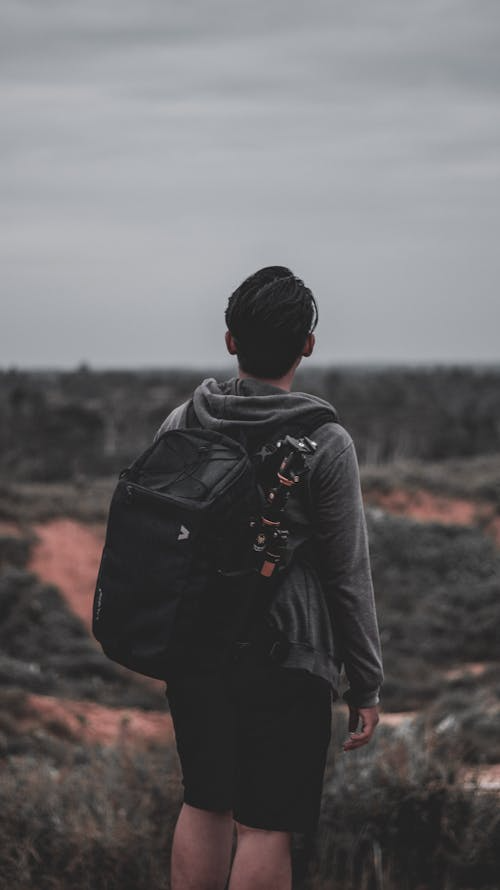
Step-by-Step Guide to Adjusting Your Pack
- Loosen all straps.
- Lift the hiking backpack onto your back.
- Fasten the hip belt above your hips and tighten it.
- Pull the shoulder straps down until snug, not tight.
- Adjust load lifters (usually at your shoulders) to keep weight close to your back.
- Buckle and tighten the chest strap for stability.
- Fine-tune until the hiking backpack feels comfortable.
Common Fitting Mistakes and How to Avoid Them
- Hip belt on the waist, not hips: Always position the hip belt on your hip bones.
- Shoulder straps too tight: This pulls weight onto your shoulders, leading to pain.
- Overloaded backpack: Carry only what you need.
Expert Packing Tips and Loading Techniques for Hikers
Balancing Weight and Maximizing Accessibility
- Put heavy items (like food or water) close to your back and in the middle.
- Pack lighter items at the bottom and top.
- Use side pockets for small things you need quickly.
- Compress contents using straps to avoid shifting.
Packing Essentials: What to Keep Handy on the Trail
- Snacks
- Water bottle or hydration tube
- Map and compass
- Weather protection (raincoat or hat)
- First aid kit
- Multi-tool or small knife
Adapting Your Backpack Setup for Seasons and Different Terrain
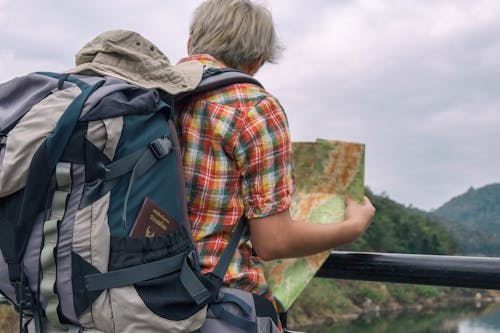
Best Backpacks for Hot, Cold, Wet, and Rugged Environments
Choose a ventilated hiking backpack for hot weather. In cold climates, pick a pack with space for extra warm layers. Wet conditions require waterproof packs or reliable rain covers. For rough terrain, rugged materials and secure straps are best.
Customizing Your Pack for Weather and Trail Conditions
Use modular pockets to adjust carrying options. In winter, add attachments for snow gear. In hot weather, bring extra water. Always check weather before you hike and adapt your backpack for comfort and safety.
Care, Maintenance, and Longevity of Your Hiking Backpack
Cleaning and Waterproofing Tips
- Empty the hiking backpack and shake out dirt and crumbs.
- Hand wash with mild soap and lukewarm water.
- Rinse well and air-dry—not in direct sun.
- Apply a waterproofing spray as needed to fabric and seams.
Repairing and Maintaining Your Backpack
- Patch small holes with repair tape.
- Tighten or replace loose buckles and zippers.
- Store your hiking backpack in a cool, dry place.
- Check for damage before each trip.
Sustainable and Innovative Options in Hiking Backpacks (2025)

Eco-Friendly Materials and Sustainable Brands
Many hiking backpack brands now use recycled nylon or polyester. Some use dyes and processes that save water. Choose brands that care for the planet and make durable, repairable packs.
Latest Technology: Smart Features and Modular Upgrades
New hiking backpacks feature solar charging panels and built-in GPS trackers. Modular designs let you add or remove pockets. Look for packs that combine tech with comfort and durability.
Must-Have Hiking Gear to Pair with Your Backpack
- Trekking poles for support on rough ground
- Water filter or purifier
- Weather-appropriate clothing
- Lightweight tent or shelter
- Sleeping bag and pad
Conclusion: Final Tips for Selecting the Best Hiking Backpack in 2025
Key Takeaways and Next Steps
- Choose your hiking backpack based on trip length, weather, and terrain.
- Prioritize fit, comfort, and essential features.
- Remember to pack smart and maintain your backpack for a long life.
Ready to Hit the Trail? Your Action Plan
- Measure your torso and hips.
- Find a backpack that fits and try it on with weight.
- Pack only the essentials for safety and comfort.
- Check your gear, review the weather, and plan your route.
- Enjoy your hiking adventure with the right backpack!