
What Is a Waterproof Backpack? Key Features and Benefits
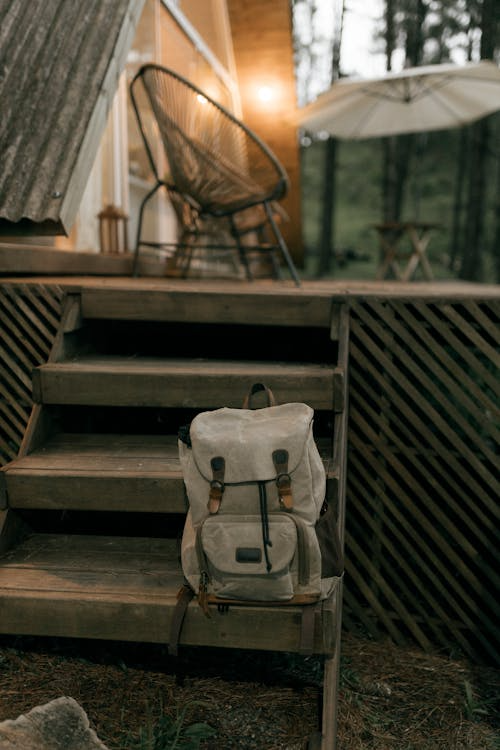
A waterproof backpack is a special type of bag designed to keep your belongings dry in wet conditions. It is different from regular backpacks because it uses specific materials and sealing methods to stop water from getting inside. Waterproof backpacks are essential for camping, hiking, canoeing, and travel in rainy areas. Let’s explore the key features and benefits.
Waterproof Materials and Construction Explained
These backpacks use strong, water-resistant fabrics like PVC, TPU, or coated nylon. The seams are often welded or taped instead of just stitched. This hides the holes that could let water in. Zippers on waterproof backpacks are usually sealed or covered to block water.
- PVC: Very durable and fully waterproof
- TPU: Tough, flexible, and resistant to cracking in cold weather
- Coated Nylon: Lightweight with a waterproof outer layer
Understanding Waterproof Ratings (IPX, IP67, etc.)
Waterproof backpacks often have ratings to show how much water they can block. Here’s a useful table:
| Rating | Protection Level | Example Use |
|---|---|---|
| IPX4 | Splash resistant | Light rain, splashes |
| IPX7 | Submersible for short time | Accidentally dropped in water |
| IP67 | Fully dust-tight, submersible up to 1m for 30 min | Heavy rain, river crossing |
Popular Waterproof Backpack Designs (Roll-Top, Welded Seams, Zipper Types)
The main designs are:
- Roll-top closure: You fold the opening down and buckle it shut. This creates a tight seal.
- Welded seams: Seams are heat-pressed and melted to lock out water, instead of stitched.
- Waterproof zippers: These are covered or rubberized to stop leaks through zipper teeth.
How to Choose the Right Waterproof Backpack for Your Activities

Choosing the best waterproof backpack depends on your activity and environment. Here’s how to assess your needs.
Matching Backpack Size and Capacity to Outdoor Use
- For day trips or school: Choose 15-25L capacity.
- For camping or travel: 30-50L is better for extra gear.
- For multi-day adventures: Pick 50L or more for sleeping bags, food, and clothes.
Assessing Waterproof Level vs. Environmental Demands
- Check the weather and environment where you’ll go. Is it very rainy or likely to be near water?
- If you might drop the bag into water, pick a high waterproof rating (like IP67).
- If only light rain or splashes are likely, lower ratings (IPX4) may be enough.
Evaluating Comfort, Fit, and Durability
- Try on the backpack to check if the shoulder straps feel padded and supportive.
- Look for adjustable straps and a chest or waist belt for heavy loads.
- Inspect stitching and material toughness—thicker fabrics usually last longer.
How to Properly Pack a Waterproof Backpack
Packing your waterproof backpack right can keep your items even drier and make carrying it easier.
Organizing Gear for Maximum Water Protection
- Put electronics (phones, cameras) in the highest part of the bag.
- Keep wet items separate from dry ones.
- Avoid overfilling the backpack, so the seal or closure works well.
Using Dry Bags and Internal Liners for Extra Security
- Place valuables inside small dry bags before putting them in the main backpack.
- If possible, use a full-size internal liner at the base—this adds a second layer against water.
- Seal each dry bag tightly according to instructions.
Packing Strategies for Canoeing, Hiking, and Travel
- Canoeing: Keep the backpack’s closure pointed upwards to minimize water entry if it falls in.
- Hiking: Balance the weight by placing heavy items close to your back and center.
- Travel: Use packing cubes inside the waterproof backpack to separate gear for easy access.
Caring for and Maintaining Your Waterproof Backpack
Proper care will make your backpack last longer and stay truly waterproof.
Safe Cleaning Methods for Waterproof Coatings
- Remove all items and shake out dirt.
- Clean with mild soap and lukewarm water. Avoid strong detergents—they can harm coatings.
- Wipe with a soft sponge or cloth. Air dry with the opening unzipped or unclipped.
Correct Storage to Preserve Waterproofing
- Store in a cool, dry place, away from sunlight.
- Don’t keep heavy objects pressing on the backpack to avoid damaging seals.
- Leave the backpack slightly open if not in use for a long time to prevent odor.
When and How to Reapply Waterproof Treatments
- Check if water no longer beads on the surface—this means the waterproofing is weak.
- Use spray-on or wash-in waterproofing treatments made for backpacks.
- Follow the product instructions: usually, apply a thin layer, let it dry for several hours.
Troubleshooting and Repairing Waterproof Backpack Issues
Dealing with Zipper Leaks and Seam Failures
- If zippers leak, dry the area and use seam sealer or zipper wax to restore water resistance.
- For seam failures, apply seam tape or waterproof adhesive patches inside the backpack.
- Test the fix: Fill the bag with paper towels and run water over it to check for leaks.
Quick Fixes for Waterproofing Problems
- Carry a small repair kit: mini seam tape, adhesive patches, zipper lubricant.
- For emergency fixes, use duct tape on the outside of the backpack.
Professional Repairs vs. DIY Solutions
| Repair Type | DIY Difficulty | When to See Professional |
|---|---|---|
| Small tears | Easy (patch kits) | If patch does not hold or leak continues |
| Major zipper failure | Difficult | When zipper teeth break or fabric tears off |
| Complete seam failure | Medium | If weld or tape keeps lifting after repair |
Pro Tips for Using Your Waterproof Backpack Effectively
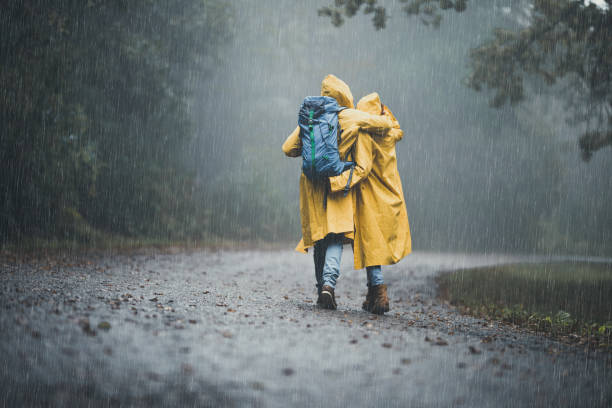
Avoiding Common Waterproof Backpack Mistakes
- Do not overfill the backpack—this can break seals or zippers.
- Never store wet gear inside for long; it causes odor and may damage the coating.
- Avoid dragging the pack on sharp rocks or rough surfaces.
Enhancing Comfort Without Sacrificing Dryness
- Choose backpacks with padded backs and adjustable straps.
- Pack soft items (like clothes) against your back for comfort.
- Use chest and waist straps to reduce bouncing.
Essential Accessories to Boost Waterproof Performance
- Dry bags: Extra protection for electronics or clothing inside the backpack.
- Rain cover: Useful for backpacks with lower waterproof ratings.
- Zipper lubricant: Keeps zippers working smoothly and stops leaks.
FAQ: Answers to Common Waterproof Backpack Questions
Can You Submerge a Waterproof Backpack?
Some can be briefly submerged (check for IPX7 or IP67 rating), but most are only meant for rain and splashes. Always check the manufacturer’s rating before underwater use.
Lifespan and Longevity of Waterproof Backpacks
With correct care and storage, a quality waterproof backpack can last 5-10 years. Frequent outdoor use may reduce its waterproof strength. Reapply coatings as needed and always air dry after trips.
What to Do If Contents Get Wet Inside?
- Remove everything as soon as possible.
- Dry out each item in a warm, dry place—use towels and open air if possible.
- Check the backpack for leaks and fix them before next use.
Conclusion: Protecting Your Gear with the Right Waterproof Backpack
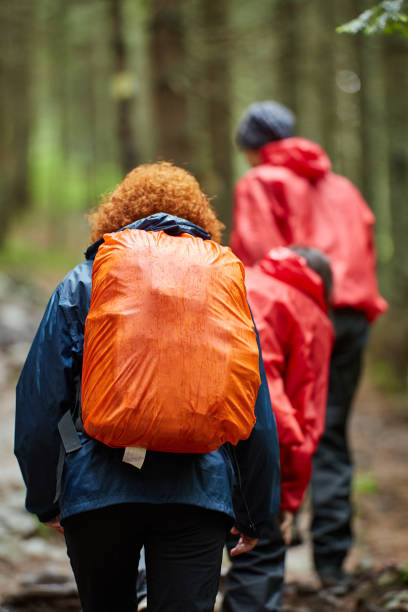
A waterproof backpack is a smart investment for anyone who spends time outdoors or in wet conditions. Knowing the materials, ratings, and features helps you choose the right model. With proper use, packing, and care, you can keep your gear dry and safe for years. Remember to check and maintain your backpack’s waterproofing and always pack carefully before heading out.
Action Steps: Start Using and Maintaining Your Waterproof Backpack Today
- Decide what size and waterproof level you need for your activities.
- Look for a backpack with strong seams, a roll-top, and sealed zippers if possible.
- Practice packing with dry bags and keep key items organized.
- Clean and dry your backpack after each trip and store it properly.
- Repair any damage right away and reapply waterproofing treatments as needed.
- Stay prepared for wet weather so your adventures and gear are always protected!