
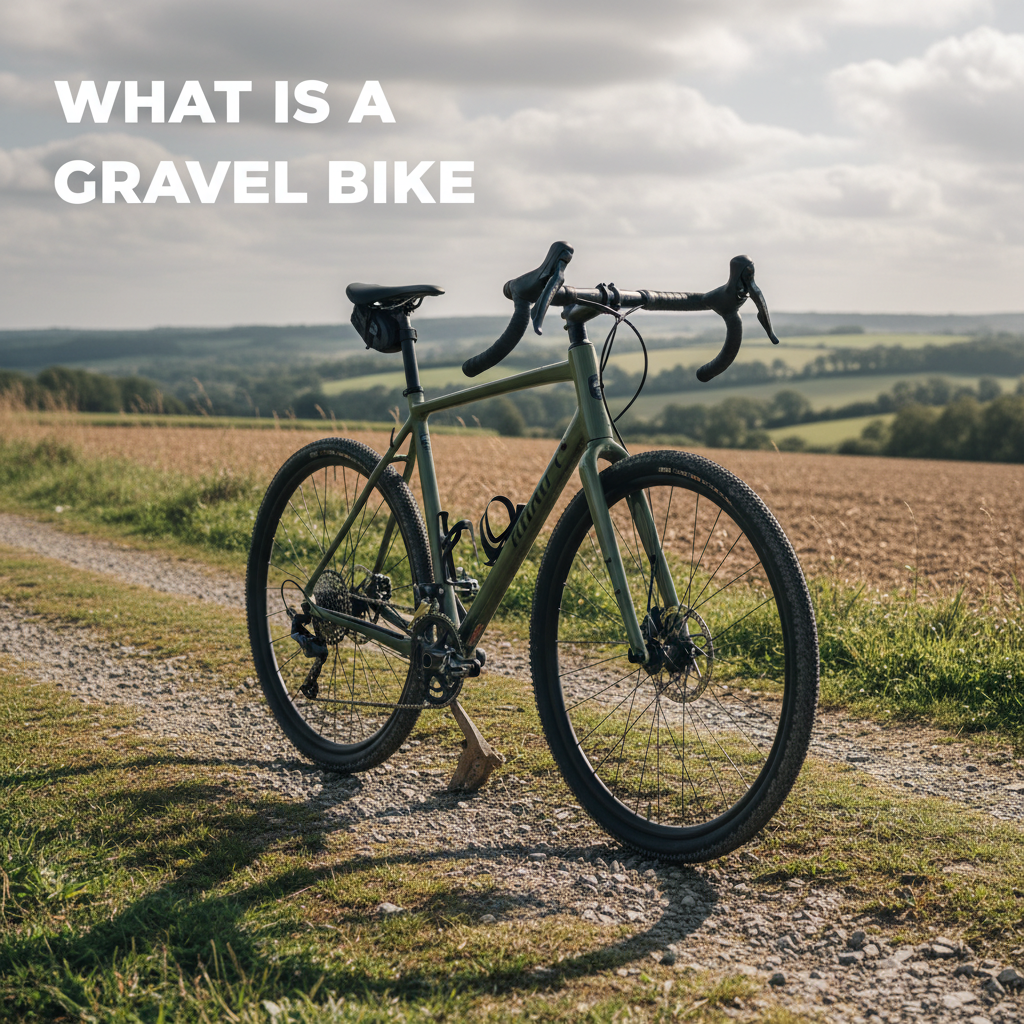
What Is a Gravel Bike? Definition, Features, and 2026 Innovations
Core Gravel Bike Geometry Explained
Gravel bikes stand apart due to their stable geometry, designed for mixed on- and off-road conditions. Expect head tube angles between 70–72.5°, longer wheelbases (e.g., 1,057mm on leading models), and tall stack heights for a more upright, comfortable posture. Bottom bracket drop ranges 70–80mm (overall BB height 260–280mm), lowering the center of gravity for stability without excessive pedal strike risk. Chainstays measure medium-long (around 420–430mm), balancing mud clearance, agility, and planted feel. Geometry evolves by use case: race-oriented gravel bikes opt for shorter wheelbase and higher bottom brackets for agiler handling, whereas adventure-focused frames use slacker head angles and longer chainstays for loaded touring stability.[1][2][3][4][5]
Key Components and Materials in Modern Gravel Bikes
- Wheels and Tires: Tire clearance is a hallmark—most 2026 gravel bikes accommodate 40–50mm+ 700c tires, with some pushing to 53mm or 2.1" on 650b wheels. Tubeless setups dominate for puncture protection and low-pressure comfort.
- Brakes: Hydraulic disc brakes are standard for reliable, modulated stopping power on loose, steep, or wet terrain.
- Frames: Choices include carbon fiber (lightest, stiffest), aluminum (affordable, durable), titanium (lifelong durability, comfort), and steel (classic, compliant, for heavy-duty adventure).
- Mounts: Multiple bidon bosses, fender, rack, and bag mounts for adventure. Most frames accept three or more bottle cages and carry rack/bag systems.
- Gearing: Wide-range drivetrains (1x or subcompact 2x chainsets) and cassettes for easy climbing and high top speed.
How Gravel Bikes Differ from Road, Cyclocross, and Mountain Bikes
| Type | Key Geometry | Tyre Width | Purpose |
|---|---|---|---|
| Gravel | Slacker angles, long wheelbase, tall stack | 40–53mm | Versatility, stability on mixed or rough terrain |
| Road | Steep angles, short wheelbase, low stack | 25–32mm | Efficiency, speed on tarmac |
| Cyclocross | High BB, short stays, low stack | 33–38mm (max. 33mm most races) | Aggressive, nimble for racing tight courses |
| Mountain | Slackest head angle, longest wheelbase, high BB | 2.2"–2.6" (56–66mm) | Rough trails, technical descents, obstacles |
Latest Trends in Gravel Bikes (2026 Update)
- Maximized tire clearance: 50–53mm, often with fender mounts for true all-weather use.
- Adaptive geometries: MTB-inspired slackness in some adventure frames, progressive stack/reach charts for better fit across all sizes.
- Advanced integration: Increased electronic shifting, internal cable routing, and new suspension solutions for front/rear compliance.
- Weight: 2026 carbon models push sub-8kg builds while maintaining comfort and wide tire compatibility.
- Ready for anything: More bikes optimized for both ultra-racing and loaded bikepacking, truly blurring bike category lines.[1][2][3][4][5][6][7][8][9]
Top 10 Gravel Bikes for 2026: Editor’s Picks
-
Best Overall Gravel Bike for Performance: Canyon Grail CF SLX 8 / CF SL 7
Agile, with 42mm tire clearance and a race-tuned carbon frame. Editor-favorite for its speed, all-carbon cockpit, and value; only downside is limited compatibility with dropper posts.
Canyon official purchase link -
Best Value Gravel Bike for Budget Riders: Van Rysel GRVL AF 2
Aluminum frame, proven geometry, strong handling, and components above its $3,000 class.
-
Top Entry-Level Gravel Bike for Beginners: Lauf Seigla Weekend Warrior
Lightweight carbon, unique leaf-spring fork for compliance, competent handling, and tubeless-ready out of the box.
-
Best Gravel Bike for Commuting and Daily Use: Cannondale Topstone Carbon
Multiple mounts, Kingpin rear suspension for smoothness, and strong all-road performance.
-
Best Gravel Bike for Competitive Racing: Specialized Diverge / S-Works Crux
Ultralight, sharp handling, 50mm tire clearance, comfortable ride for long races. S-Works Crux is a climber’s machine; top marks for race geometry.
-
Most Comfortable Gravel Bike for Endurance Rides: Santa Cruz Stigmata
Progressive geometry and lightweight design excel for riders clocking high mileage on mixed terrain.
-
Best Lightweight Gravel Bike for Fast Terrain: Orbea Terra Race
Sub-7.7kg builds possible, nimble geometry, highly responsive for group rides and smooth gravel events.
-
Best Steel and Titanium Gravel Bikes for Durability: State Bicycle Co. Titanium All-Road
Ultimate rustproof reliability and compliant ride, capable of adventures across decades.
-
Best Electric Gravel Bike of 2026: [Example: BMC URS LT e]
Integrated drive, long-range battery, and compliant geometry for mixed-surface touring and commutes.
-
Best Gravel Bike for Bikepacking and Adventure: Canyon Grizl
Huge tire clearance (up to 50mm), triple bottle mounts, adventure-ready geometry, and sturdy build.
Buy Canyon Grizl
Gravel Bike Buying Guide: How to Choose the Right Model in 2026
Frame Materials Compared: Carbon, Aluminum, Steel, Titanium
| Material | Weight | Durability | Comfort | Cost | Best For |
|---|---|---|---|---|---|
| Carbon | Lightest (<1,000g) | Good | High (AI-optimized layups) | High | Performance, racing |
| Aluminum | Moderate | Very Good | Moderate | Low | Budget, beginners |
| Titanium | Low–Moderate | Lifetime | Very High | Very High | Ultimate durability |
| Steel | High | Lifetime | High | Moderate | Bikepacking, classic feel |
Choosing the Right Tire Size and Tread for Your Terrain
- Most versatile: 700×40–45mm (all-round use on varied terrain)
- Adventure/bikepacking: 45–54mm or 650b x 2.1"+ for soft ground
- Racing/road: 35–40mm slick/semi-slick for speed with comfort
- Wider tires allow lower pressures for grip and shock absorption; always check your frame’s max clearance
Must-Have Features for Comfort and Versatility
- Suspension: Micro-suspension seatposts/forks (e.g., Lauf Grit, Cannondale Kingpin)
- Mounts: At least 3 bottle cages, top-tube bag, fenders, and rack mounts
- Tubeless compatiblility: Puncture resistance and smoother rides at lower pressure
- Wide-range gearing: 1x or 2x drivetrains cover steep climbs and fast flats
- Dropper post: Optional, especially for technical singletrack
Budget Breakdown: Gravel Bikes Under $3000, $5000, $7000+
| Price Range | Example Bikes | Spec Highlights | Best For |
|---|---|---|---|
| Under $3,000 | Van Rysel GRVL AF 2, Lauf Seigla Weekend Warrior | Aluminum/entry carbon, basic GRX, 40–45mm tires | New riders, everyday use |
| $3,000–$5,000 | Canyon Grail, Topstone Carbon, Rondo Ruut CF1 G2 | Carbon, GRX Di2, tubeless, 42–54mm | Balanced performance |
| $5,000–$7,000+ | Ridley Grifn RS, Orbea Terra M-Ltd, Pinarello Gravel | Premium carbon/titanium, GRX Di2, race builds | Pro performance, lightest weights |
Essential 2026 Upgrades and Accessories
- Carbon tubeless wheelset for lighter, faster rides
- Saddle/seatpost upgrades for extra comfort (e.g., compliance posts)
- Power meter (training), GPS navigation computer
- Puncture repair kit, top tube bag, frame bags, handlebar bag
Gravel Bike Comparisons: Road, Cyclocross, and Mountain Bikes in 2026
Geometry and Handling Differences
Gravel bikes: longer wheelbase, lower BB, tall stack, slacker angles—balance of stability and comfort. Road bikes: short wheelbase, low stack, steep angles for speed. Cyclocross: higher BB, short stays, aggressive geo for sharp racing moves. Mountain: slackest angles, highest BB, long wheelbase for max control.
Performance and Versatility Face-Off
- Gravel bikes: Fast and forgiving on tarmac/gravel; less capable on the roughest MTB trails but best do-it-all.
- Road bikes: Precise and aerodynamic, but limited off pavement.
- Cyclocross bikes: Agility for races, sand, and mud, but less comfy for long adventures.
- Mountain bikes: Supreme control on technical trails, less efficient for distance rides and pavement.
Which Bike is Right for Your Riding Style?
- Gravel: If you ride a mix of roads, light trails, and gravel with occasional loaded rides—choose gravel.
- Road: Long, fast road efforts—choose road.
- Cyclocross: Short, aggressive off-road racing—choose cyclocross.
- Mountain: Steep, technical rough stuff—choose MTB.
Frequently Asked Questions About Gravel Bikes (2026 Edition)
What Size Gravel Bike Should I Get?
Choose a size based on reach and stack for your torso and arm length; stand over height is less important due to sloping top tubes. Manufacturers publish fit charts—always test ride if possible.
Are Gravel Bikes Good for Everyday Commuting?
Yes. Gravel bikes are stable, comfortable, and allow for fenders and racks. Fit slicker tires for tarmac efficiency.
Can I Use a Gravel Bike Off-Road?
Yes—up to moderate MTB trails. Ensure at least 40mm tubeless tires for technical singletrack; go wider for sandy or rocky tracks.
How Long Does a Gravel Bike Last?
With regular maintenance: Carbon—10+ years; aluminum—8–15 years; titanium/steel—lifelong frames. Replace drivetrain and bearings as needed.
What’s New for Gravel Bikes in 2026?
Bikes now allow up to 53mm tire widths, AI-designed carbon layups for comfort and efficiency, wider-range 1×12 drivetrains, expanded electronic shifting, and better integrated mounts (bags, fenders, lights).
Final Tips and Resources for Getting Started with Gravel Biking
- Start with beginner-friendly routes using Komoot or Strava. Build skills on smooth gravel before tackling technical segments.
- Carry essentials: at least two bottles, snacks, repair kit, and emergency contacts. Check for frame bag or top tube bag space.
- Optimize tire pressure—lower for off-road, but not so low that you risk pinch flats.
- Join local clubs or group rides for support and safety on new terrain.
- Fit and comfort matter more than any spec—dial your position before upgrading.
- Recommended resources:
Ready to ride? Check the full 2026 buying guides above, visit your local dealer for sizing, or explore latest models online.